In this guide
Introduction: The Importance of Marking Technology on Eyeglasses Packaging
In the fiercely competitive eyewear market, eyewear packaging logos act as silent brand ambassadors, playing a crucial role in shaping brand image. A striking eyewear packaging logo allows consumers to quickly identify your brand among numerous products, significantly enhancing brand recognition. Take Bolon eyewear, for example; its unique dragon logo design, with its clean, flowing lines and modern feel, paired with the classic deep blue and silver color scheme, not only leaves a deep visual impression but also conveys a high-end, professional brand image, making it instantly memorable and trustworthy for consumers.
Eyewear packaging logos are also a direct representation of brand image, embodying the brand’s values, cultural connotations, and quality commitment. Through a well-designed logo, a brand can convey its unique charm and positioning to consumers. For instance, some fashion-oriented eyewear brands might use bold, innovative design elements and trendy colors in their packaging logos to showcase the brand’s style and personality; while brands focusing on high-quality optical lenses might emphasize a refined and professional style in their logo design, reflecting their unwavering pursuit of quality.
Next, we will delve into four common eyewear packaging logo manufacturing processes: hot stamping, embossing, screen printing, and UV coating. We will analyze their respective characteristics, advantages, and applicable scenarios to help you choose the most suitable process for your brand, making your eyewear packaging logo a powerful promotional tool.

I. Hot Stamping Technology: The Creator of Luxurious Texture
(I) The principle and process of hot stamping
Hot stamping, commonly known as “gold foil stamping,” is a process that uses heat and pressure to transfer stamping materials (such as electroplated aluminum foil) onto the surface of a substrate. The principle is that when the stamping stencil, along with the attached heated base plate, heats to a certain temperature, it presses against the substrate through the electroplated aluminum foil. The temperature and pressure cause the adhesive layer, metallic aluminum layer, and color layer attached to the polyester film to transfer onto the substrate, thus achieving a beautiful pattern or text.
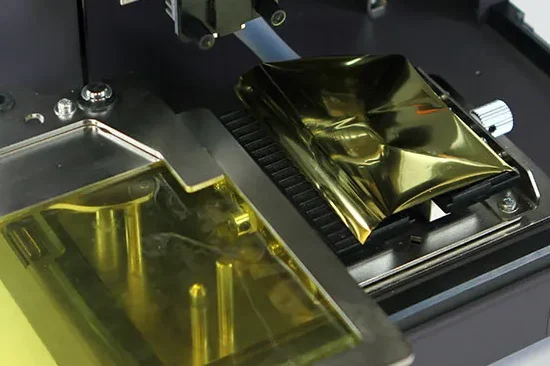
The hot stamping process generally includes the following key steps:
- Preparation: Select a suitable hot stamping foil according to the design requirements. Its color, gloss, and material should match the eyewear brand image. Simultaneously, create a precise hot stamping stencil, usually made of copper or zinc, to ensure the clarity and precision of the pattern and text.
- Heating: Install the hot stamping stencil on the hot stamping machine and heat it to a suitable temperature, generally between 100℃ and 220℃. The specific temperature depends on the materials of the hot stamping foil and the substrate.
- Pressure Application: Place the eyewear packaging on the hot stamping machine’s worktable, cover the area to be stamped with the hot stamping foil, and then start the hot stamping machine. This applies pressure to the foil and packaging, typically between 5 and 20 MPa, for a duration of approximately 0.5 to 3 seconds.
- Cooling and Finished Product: After applying pressure, allow for a short cooling period to allow the stamped pattern to adhere firmly to the packaging. The finished hot stamped product is then obtained.
(II) Examples of hot stamping on eyeglasses packaging labels
Many well-known eyewear brands are keen to use hot stamping to enhance the quality of their packaging logos and brand image. For example, Ray-Ban eyewear packaging features a gold hot stamping logo that shines brightly against the black box. The gold sheen contrasts sharply with the black background, highlighting the brand logo and showcasing the brand’s high-end and fashionable image, leaving a lasting impression on consumers and allowing them to perceive the brand’s quality and style the moment they see the packaging.
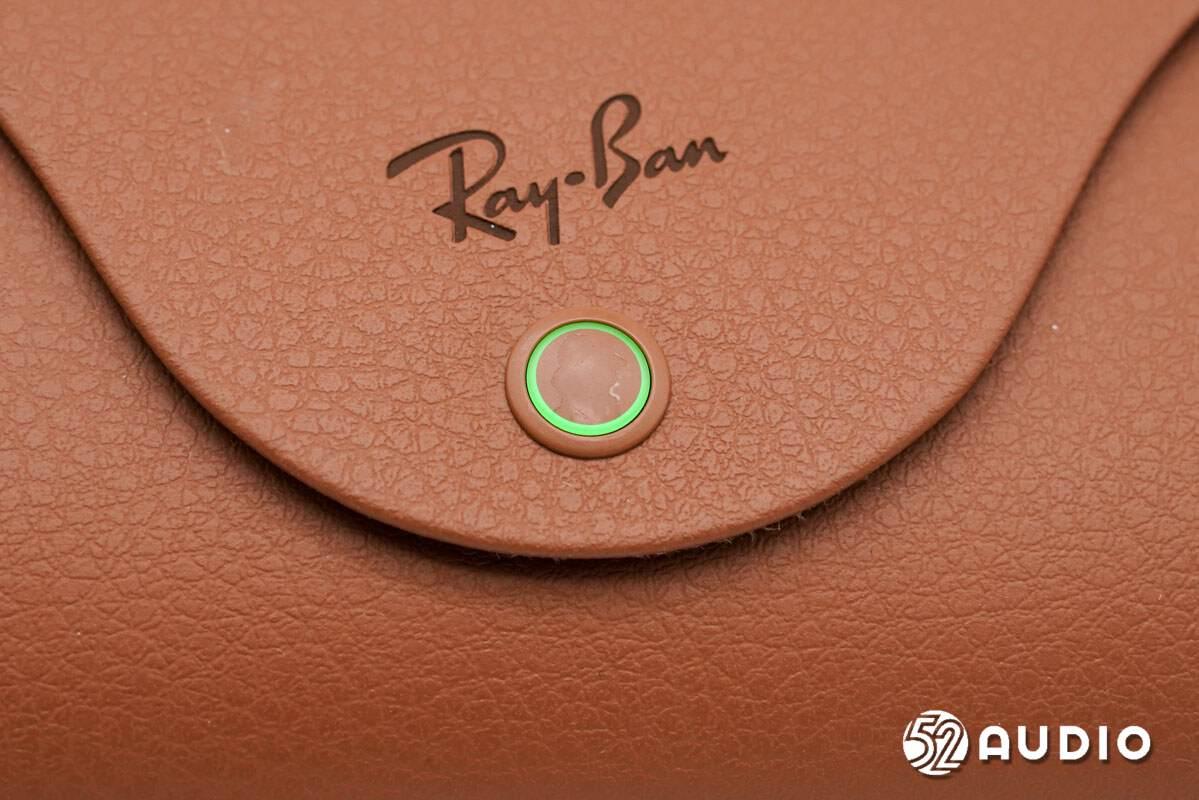
For example, Oakley eyewear’s packaging logo also uses hot stamping technology. Its unique brand logo presents a three-dimensional metallic texture through hot stamping, which can attract consumers’ attention in both well-lit environments and relatively dim spaces, effectively enhancing brand recognition and product added value.
(III) Advantages and limitations of hot stamping process
Hot stamping offers significant advantages in eyewear packaging label production:
1. Excellent visual effect: Hot stamping imbues eyewear packaging labels with a unique luster and metallic texture, making them stand out among numerous products and greatly enhancing their visual appeal and perceived quality.
2. Increased brand recognition: Precise and clear hot stamped labels help strengthen brand image, making it easier for consumers to recognize and remember the brand, thus enhancing its market competitiveness.
3. Good abrasion resistance: The hot stamped design adheres firmly to the packaging surface, exhibiting strong abrasion resistance and resisting fading or peeling. This ensures that the label remains clear and intact during long-term use and transportation.
However, hot stamping also has some limitations:
1. Relatively high cost: Hot stamping requires specialized equipment, stamping plates, and specific materials. The initial investment in equipment and the cost of making stamping plates are high, which increases packaging production costs and may put financial pressure on brands with limited budgets.
2. High process complexity: The hot stamping process requires precise control of parameters such as temperature, pressure, and time. Deviations in any step can affect the stamping effect, demanding high technical skills from operators and increasing the technical difficulty and management costs of the production process.
3. Inconvenient design modifications: Once the stamping plate is made, if the logo design needs to be modified, a new stamping plate must be made. This not only consumes time and money but may also delay product launch.
In conclusion, hot stamping is suitable for eyewear brands that pursue high quality, emphasize brand image building, and have a sufficient budget. When deciding whether to adopt hot stamping, brands need to comprehensively consider their positioning, target market, and cost budget, weighing its advantages and limitations to make the most suitable choice.
II. Embossing Technique: Presenting a Three-Dimensional Tactile Feel
(I) The principle and implementation of embossing
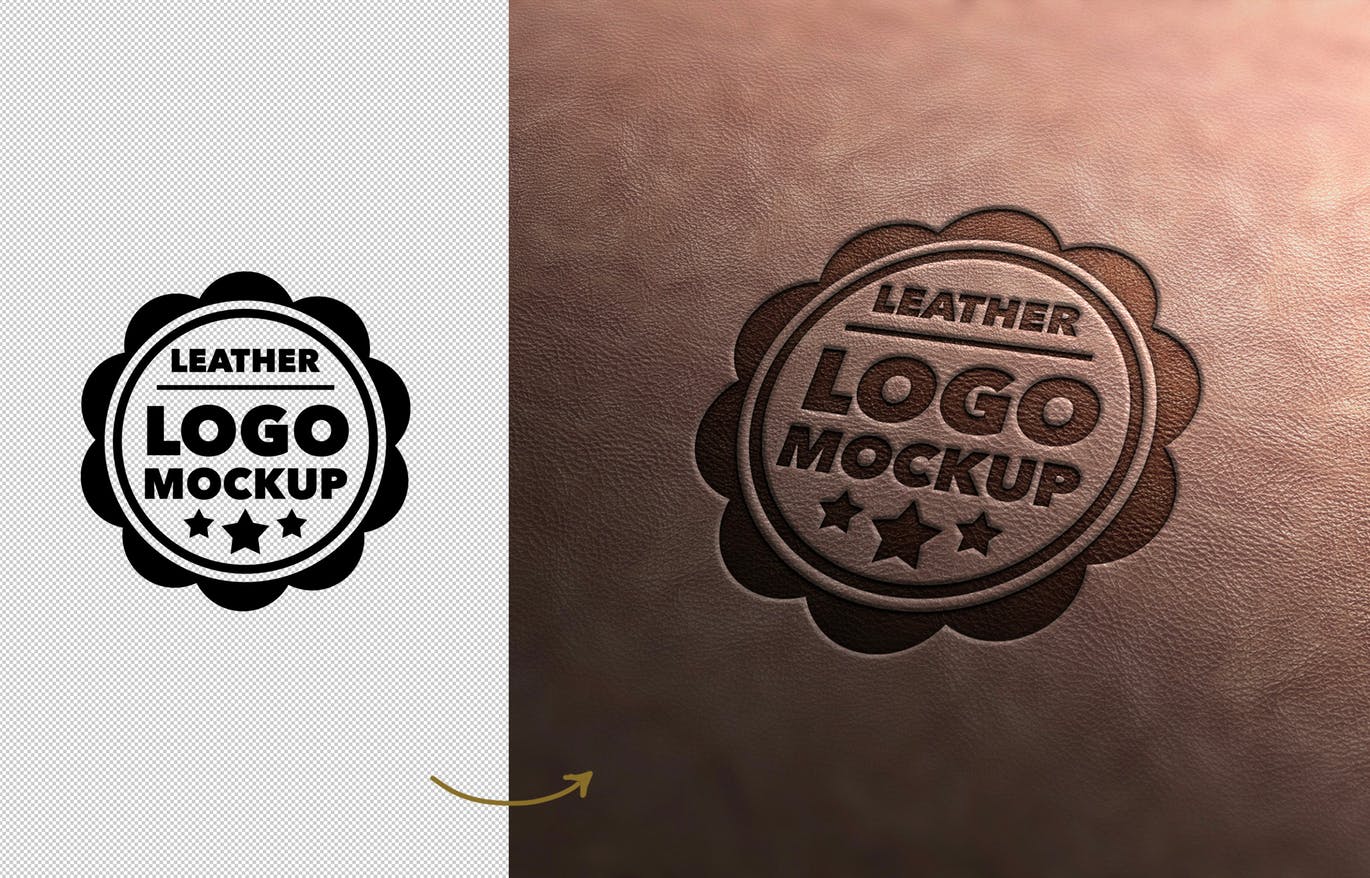
Embossing is a process that uses the combined action of molds and pressure to create three-dimensional patterns or textures on the surface of eyeglass packaging, adding a unique feel and visual appeal. The basic principle is to use pressure to plastically deform the packaging material under the action of a mold, thereby presenting a pre-designed pattern or shape.
In practice, high-frequency embossing machines are commonly used equipment. These machines utilize a high-frequency electromagnetic field to polarize and rub the molecules within the material, generating heat. Combined with molds and pressure, this allows for rapid embossing. When the machine is started, the high-frequency current generated passes through an induction coil, creating a high-frequency electromagnetic field. The eyeglass packaging material is placed between the upper and lower molds.
Under the influence of the electromagnetic field, the molecules within the material begin to vibrate and rub at high speed, generating heat and rapidly softening the material. At this point, the upper and lower molds close tightly under pressure, compressing the softened material. The material flows and fills the mold cavity, forming a three-dimensional pattern consistent with the mold. After embossing, the high-frequency current is cut off, allowing the material to cool and solidify, maintaining the embossed shape, ultimately resulting in eyeglass packaging with a beautiful three-dimensional pattern.
(II) Embossing adds a unique charm to eyeglasses packaging
Embossing gives eyewear packaging a unique tactile feel and a three-dimensional visual effect, greatly enhancing its texture and appeal. When consumers touch embossed packaging, they can truly feel the raised and recessed patterns. This unique tactile experience establishes a closer connection between consumers and the product, increasing their positive perception of it. From a visual perspective, the three-dimensional patterns of embossing break the monotony of flat packaging. Through variations in light and shadow, they present a rich sense of depth and dimension, making eyewear packaging stand out among numerous products and more likely to attract consumers’ attention and stimulate their desire to buy.
For example, a retro-style eyewear package uses embossing to create exquisite vintage patterns. The raised parts of the patterns are particularly eye-catching under light, seemingly telling the story of the brand’s history and heritage. Consumers can instantly feel the strong retro atmosphere and the brand’s cultural heritage upon seeing the packaging, further enhancing the product’s added value and brand image.
(III) Applicable Scenarios and Precautions for Embossing
Embossing is widely applicable in the packaging of eyewear brands across various styles. For eyewear brands that pursue fashion trends, embossing can create a variety of creative and unique patterns, such as popular geometric shapes and distinctive artistic lines, aligning with the brand’s fashion positioning and attracting young, trendy consumers. For high-end eyewear brands that emphasize quality and traditional craftsmanship, embossing can create delicate and refined textures, such as faux leather textures and classic diamond patterns, showcasing the brand’s premium feel and exquisite craftsmanship, satisfying the pursuit of quality and taste by high-end consumers.
There are several points to consider when using embossing techniques. The precision of the mold is crucial; a high-precision mold ensures the clarity and accuracy of the embossed pattern. Therefore, when making the mold, it’s essential to select high-quality materials and advanced processing techniques to guarantee its quality. Material selection is also critical. Different packaging materials have varying impacts on the embossing effect. Generally, materials with a certain thickness and flexibility are more suitable for embossing, such as leather and thick cardboard.
When choosing materials, it’s essential to fully consider the material’s characteristics and the requirements of the embossing process to achieve the best results. Furthermore, parameters such as pressure, temperature, and time during the embossing process need precise control to avoid problems such as unclear embossing, pattern deformation, or material damage.
III. Screen Printing Process: The Unleashing of Color and Creativity
(I) Working mechanism and plate-making process of screen printing
Screen printing, a widely used printing technology, has a unique working mechanism. It uses a squeegee to force ink through the mesh openings of the image area on the printing plate onto the substrate, thus forming an image identical to the original artwork. The screen printing plate plays a crucial role in this process. It is made of silk, synthetic fiber fabric, or metal mesh stretched onto a frame, using methods such as manual etching or photochemical plate-making.
Modern screen printing technology primarily utilizes photosensitive materials to create a photographic plate, ensuring that the mesh openings in the image area of the printing plate are open, while the mesh openings in the non-image area are blocked.
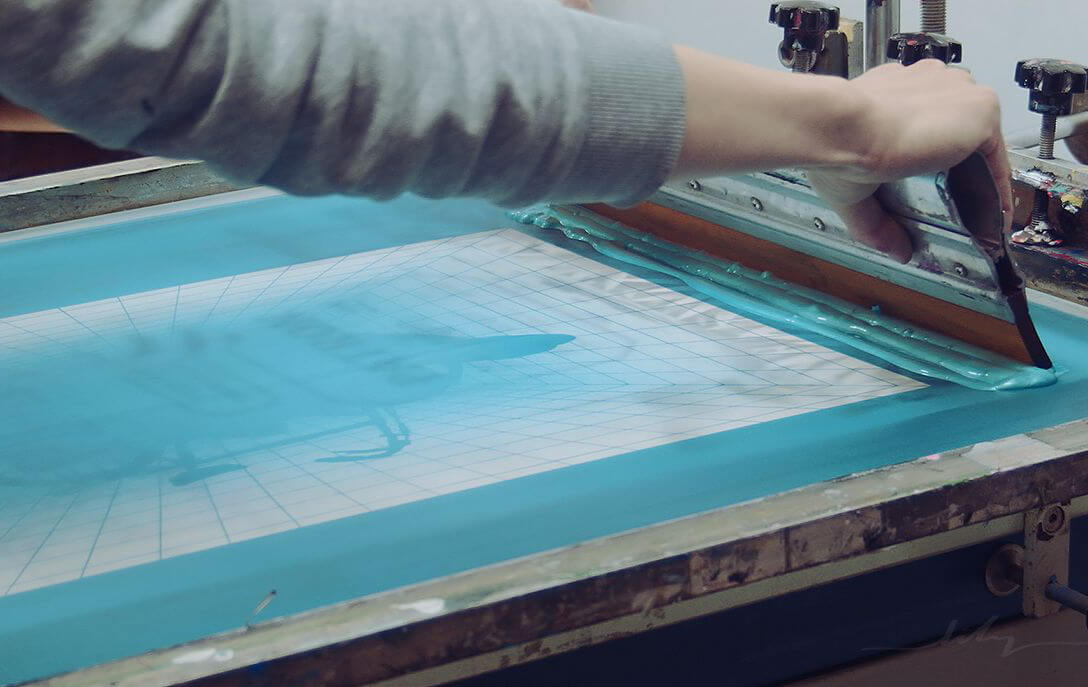
The plate-making process for screen printing is quite intricate, and the specific steps are as follows:
- Screen Degreasing: Use a suitable degreasing agent, such as a 5% sodium carbonate solution, to clean the screen to remove grease and dust from its surface, enhancing the adhesion between the photosensitive emulsion and the screen. After cleaning, rinse thoroughly with clean water and dry with a non-woven cloth. Never touch the screen surface directly with your hands to prevent recontamination.
- Coating the Photosensitive Emulsion: Operate in a dust-free, temperature-controlled environment (20-25℃). Select a water-resistant or solvent-resistant photosensitive emulsion based on the ink characteristics, and mix it with the photosensitizer in the correct proportion. Stir well with a wooden stick and let it stand until no air bubbles remain. Use a squeegee to evenly coat both sides of the screen with the photosensitive emulsion, first coating the printing side (the side in contact with the substrate), then the squeegee side. Repeat 2-3 times. The emulsion layer thickness is generally controlled at 5-8 μm, adjusted by the squeegee pressure and speed.
- Exposure: Place the film negative (with the pattern side attached to the screen) in the exposure machine and expose it using an ultraviolet light source (such as a metal halide lamp). The exposure time depends on the light source intensity and the type of photosensitive emulsion, generally between 30 and 120 seconds. The optimal exposure time must be determined beforehand through exposure testing to ensure the clarity and accuracy of the pattern.
- Development: Spray water onto the screen, controlling the water pressure at 0.2-0.4 MPa. The photosensitive emulsion in the unexposed areas will dissolve, revealing the transparent pattern. For complex patterns, a brush can be used to gently brush the screen to assist development, but care must be taken to avoid damaging the pattern details with high-pressure water jets. After development, inspect the screen. If defects are found, fill them with sealing glue, re-expose the affected area, and then re-expose.
(II) Creative Application of Screen Printing in Eyeglasses Packaging Logo Design
Screen printing offers brands a vast creative space in eyewear packaging logo design, enabling rich and diverse color expressions and unique pattern designs. It can use various types of inks, including pastes, adhesives, and various pigments, even those with coarse particles, resulting in vibrant, highly saturated colors that perfectly represent the brand’s desired color effects. Screen printing also easily achieves complex color variations such as gradations and transitions, adding a lively and delicate visual experience to the logo.
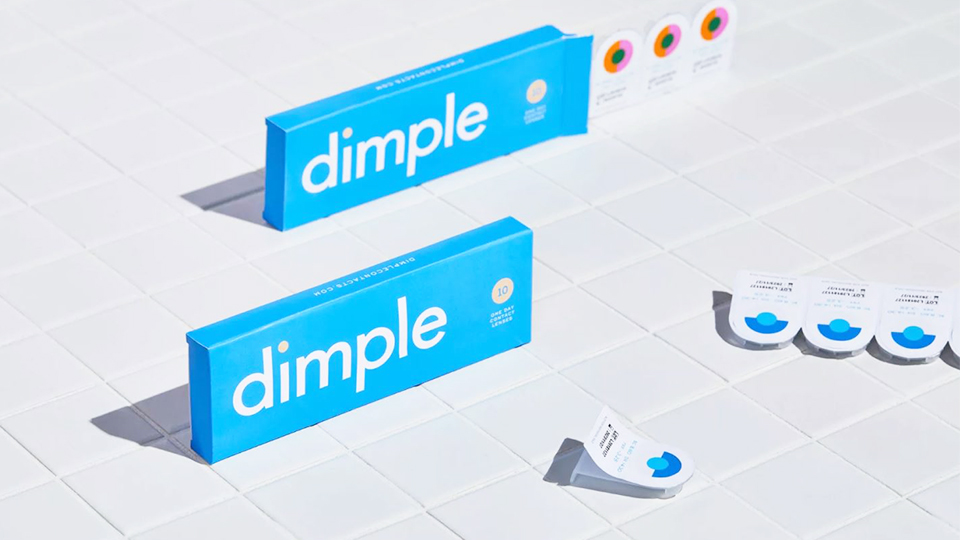
In terms of graphic design, screen printing is unrestricted, capable of printing a wide variety of exquisite patterns. Whether it’s simple geometric shapes, delicate lines, or complex artistic designs, it can be accurately presented. For example, some fashion eyewear brands use screen printing technology to create modern abstract patterns on their packaging logos, paired with vibrant colors, fully showcasing the brand’s fashion and personality.
Meanwhile, some retro-style eyewear brands use screen printing to recreate classic patterns on their packaging, such as engravings and scrollwork, creating a strong retro atmosphere and conveying the brand’s historical heritage and cultural connotations. Furthermore, screen printing can be combined with other processes, such as hot stamping and embossing, to create even more unique visual effects, further enhancing the attractiveness and artistic value of eyewear packaging logos.
(III) Cost-effectiveness and key points of quality control in screen printing
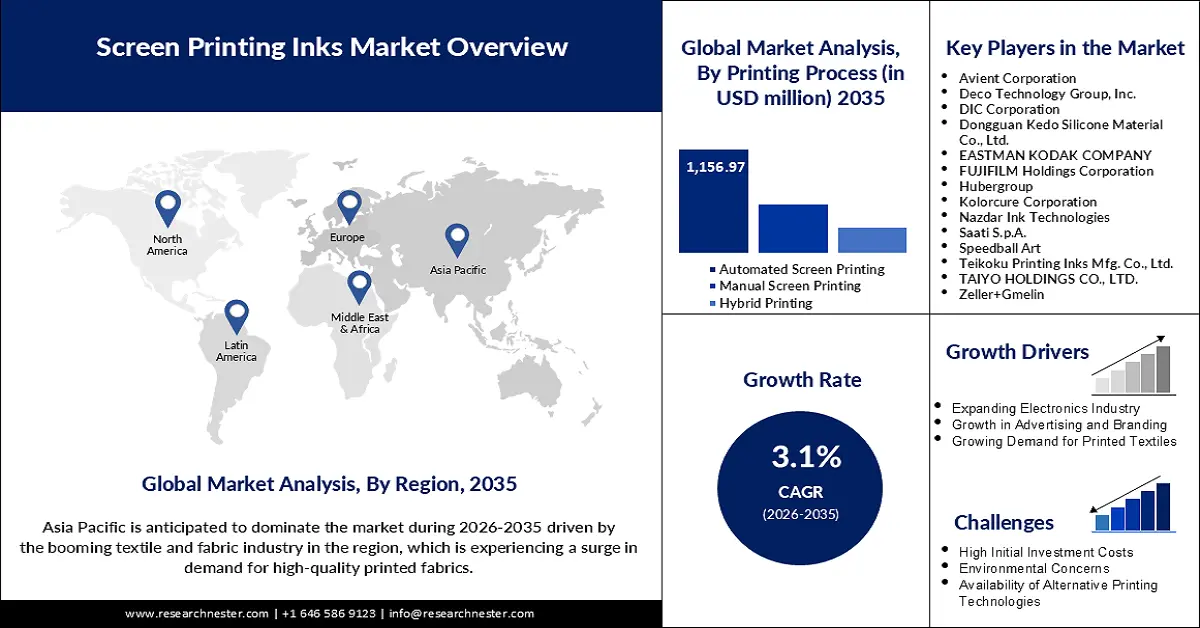
In terms of cost-effectiveness, screen printing has significant advantages, especially in mass production. Its equipment and plate-making costs are relatively low, and the ink utilization rate during the printing process is high, effectively reducing the printing cost per unit. Furthermore, screen printing has high production efficiency, meeting the needs of large-scale production, making it a highly attractive option for eyewear brands seeking cost control and efficient production.
However, ensuring the quality of screen printing requires strict control of several key factors during the printing process. First is the selection of ink. Different types of ink have different characteristics, such as drying speed, adhesion, and lightfastness. Appropriate inks should be selected based on the material of the eyewear packaging, the usage environment, and design requirements to guarantee the quality and durability of the printed pattern.
Controlling the printing pressure is also crucial. Excessive pressure may lead to over-penetration of ink, resulting in a blurred pattern and unclear edges; insufficient pressure may cause insufficient ink transfer, resulting in incomplete patterns and uneven colors. Therefore, the printing pressure needs to be precisely adjusted according to the mesh count of the screen, the viscosity of the ink, and the material of the substrate to ensure that the ink is transferred evenly and in the appropriate amount to the substrate.
Factors such as printing speed, squeegee hardness, and angle also affect printing quality and require continuous exploration and optimization in actual operation to achieve the best printing results.
IV. UV Coating Process: A Dual Guarantee of Protection and Gloss
(I) The function and curing principle of UV coating
UV coating, or ultraviolet-cured coating, plays multiple key roles in eyewear packaging. It acts like a robust armor, effectively protecting the packaging from environmental damage such as moisture, scratches, and chemicals, significantly extending its lifespan and ensuring comprehensive protection for the eyewear during transportation and storage. Simultaneously, UV coating significantly enhances the packaging’s gloss, making the surface smoother and brighter, presenting a high-end, refined texture and visually increasing the product’s appeal, attracting consumers at first glance with its unique sheen.
Furthermore, UV coating deepens printing colors, making patterns and text on the packaging more vibrant and clear, enhancing color saturation and contrast, further highlighting brand logos and product information, and making the brand image more distinctive.
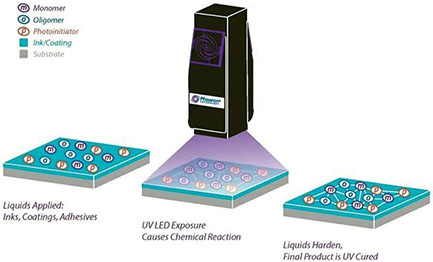
Its curing principle is based on photochemical reactions. UV coating materials contain photoinitiators. When exposed to ultraviolet radiation of a specific wavelength (typically 200-400 nm), the photoinitiators absorb photon energy and undergo a decomposition reaction, producing free radicals or cations. These active particles rapidly initiate polymerization and cross-linking reactions of monomers and oligomers in the coating, causing the coating to transform from a liquid to a solid state in a very short time (usually only a few seconds), forming a hard, wear-resistant protective film, thus achieving coating curing.
This rapid curing characteristic not only improves production efficiency but also reduces the possibility of coating contamination during the curing process, ensuring the quality and performance of the coating.
(II) Demonstration of the application effect of UV coating on eyeglass packaging
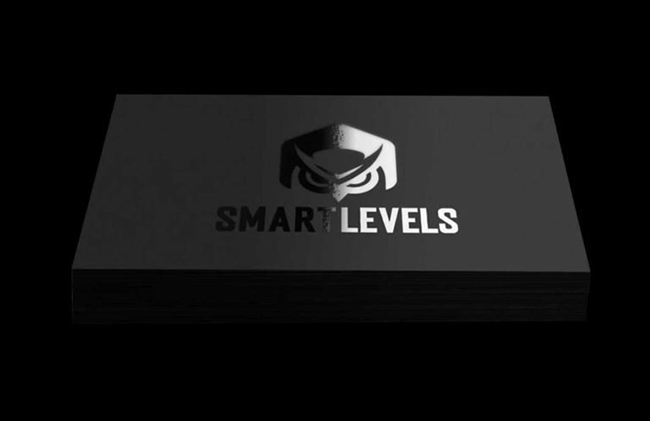
In practical applications, UV coating brings striking visual effects and excellent durability to eyewear packaging. Eyewear packaging with a UV coating has a mirror-like sheen, making the patterns and logos on the packaging more eye-catching, seemingly telling a story of the brand’s unique charm. Whether it’s an exquisite brand logo or a delicate graphic design, the UV coating reveals richer details and a greater sense of depth, allowing consumers to spot it at a glance among numerous products.
In terms of durability, UV coating provides eyewear packaging with enhanced protection. Packaging treated with UV coating effectively resists scratches and abrasions from daily use, maintaining its surface integrity and aesthetics even during long-term transportation and storage. For example, in numerous simulated transportation tests, eyewear packaging with a UV coating remained smooth and new after experiencing bumps and collisions, without any scratches or wear; while packaging without a UV coating showed obvious scratches and abrasions, severely impacting the product’s appearance and brand image.
Furthermore, UV coating improves the packaging’s waterproof and moisture-proof properties, preventing deformation and fading caused by humid environments, providing more reliable protection for the eyewear.
(III) Environmental characteristics and technological development trends of UV coating processes
UV coating technology boasts significant environmental benefits, making it highly sought after in today’s environmentally conscious market. Unlike traditional coating processes, UV coatings do not use solvents during curing, avoiding the emission of volatile organic compounds (VOCs) and reducing environmental pollution and harm to human health. This not only complies with environmental regulations but also demonstrates a brand’s commitment to sustainable development, contributing to a better social image. According to relevant research data, companies using UV coating technology can reduce their VOC emissions by more than 80% compared to traditional coating processes, fully demonstrating the significant environmental advantages of UV coating technology.
With continuous technological advancements, UV coating technology is also constantly innovating and developing. In the future, UV coating technology is expected to combine with other advanced technologies, such as nanotechnology and 3D printing, to further expand its application areas and improve performance. For example, incorporating nanomaterials into UV coatings may endow them with stronger antibacterial and self-cleaning properties; combined with 3D printing technology, it can achieve more personalized and complex packaging designs, meeting the increasingly diverse needs of consumers.
The curing speed and quality of UV coatings will also continue to improve, while equipment costs and energy consumption will further decrease, making UV coating technology more widely used and popularized in eyewear packaging and other fields.
V. How to choose the right craftsmanship for your brand
(I) The Relationship Between Brand Positioning and Process Selection
Brand positioning is a crucial factor in choosing the manufacturing process for eyewear packaging logos. Different brand positioning requires different processes to showcase their unique charm. For high-end brands, the pursuit of superior quality and luxurious texture is a core objective. Hot stamping and embossing become ideal choices for these brands. Hot stamping, through the transfer of exquisite metallic foil, gives the packaging logo a dazzling luster and a noble texture, perfectly interpreting the prestige and elegance of a high-end brand.
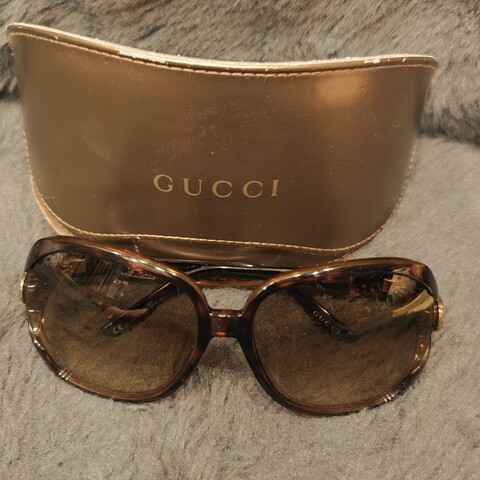
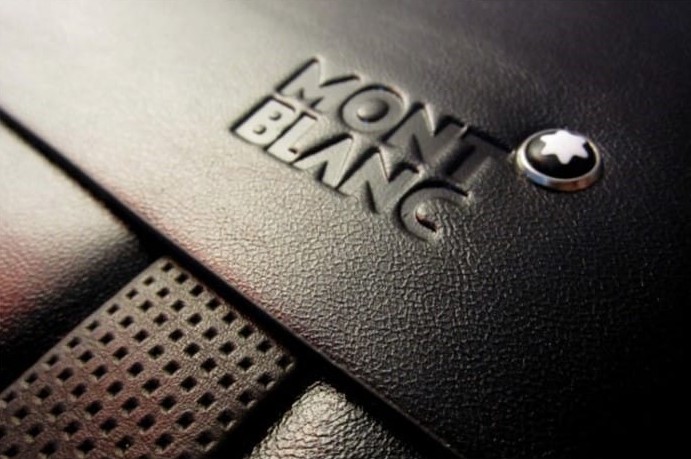
For example, Gucci eyewear’s packaging logo uses gold hot stamping; on a black leather box, the gold brand logo shines brightly, showcasing unparalleled luxury and complementing the brand’s high-end positioning. Embossing, on the other hand, adds a unique tactile and layered feel to the packaging through three-dimensional textures and patterns, demonstrating the high-end brand’s ultimate pursuit of detail and craftsmanship. For instance, Montblanc eyewear packaging uses a delicate embossing process to create the brand’s iconic six-pointed white star pattern. The textured pattern not only enhances the packaging’s quality but also conveys the brand’s high-end quality and profound cultural heritage.
For young, fashionable brands that value individuality, screen printing offers unique advantages. It enables a rich variety of colors and unique designs, satisfying the creativity and individuality of young brands. It can print vibrant, novel patterns and colors, such as popular graffiti styles and anime elements, aligning with the aesthetic needs of young consumers and showcasing the brand’s fashion and energy. For example, some trendy eyewear brands use screen printing to create modern abstract patterns and bright colors on their packaging, attracting the attention of many young consumers and helping them stand out in the youth market.
(II) The impact of cost budgeting on process decisions
Cost budgeting is a crucial factor that businesses must consider when choosing a labeling process for eyeglasses packaging. Different processes have significantly different cost structures and price levels. Hot stamping requires specialized equipment, hot stamping stencils, and specific hot stamping foil. The initial investment in equipment and the cost of making hot stamping stencils are high. A set of hot stamping equipment typically costs tens of thousands of yuan or even more, and the cost of making a single hot stamping stencil can range from several hundred to several thousand yuan.
Furthermore, the price of hot stamping foil is relatively high, resulting in a high overall cost for hot stamping. This can create financial pressure for companies with limited budgets.
Embossing requires specialized equipment and molds, the cost of which is significant. A high-precision embossing mold can cost several thousand yuan or more. Furthermore, the material requirements during embossing are high, potentially increasing material costs. Screen printing, on the other hand, has relatively lower equipment and plate-making costs. A small manual screen printing machine might cost several thousand yuan, and the production cost of each screen printing plate ranges from tens to hundreds of yuan.
Ink and other materials are also relatively affordable. In mass production, the printing cost per unit is low, making it a good choice for companies with strict cost control. The main costs of UV coating lie in UV coatings and UV curing equipment. UV curing equipment ranges in price from several thousand to tens of thousands of yuan, and the price of UV coatings varies depending on quality and brand.
However, overall, costs can be effectively controlled in large-scale production. Therefore, companies need to comprehensively consider their cost budget when choosing a process. If the budget is sufficient and high quality and unique effects are desired, hot stamping or embossing can be chosen; if the budget is limited and cost-effectiveness is prioritized, screen printing or UV coating are more suitable.
(III) Consideration of the matching degree between product characteristics and process
The compatibility between the product characteristics, such as materials and design style, and the manufacturing process of eyewear packaging has a crucial impact on the final packaging effect. Regarding packaging materials, different materials are suitable for different processes. For example, paper is a common eyewear packaging material; it is soft, affordable, and easy to print and process, making it an ideal substrate for screen printing, showcasing the rich colors and delicate patterns beautifully.
For hot stamping, paper also holds the foil well, producing exquisite results. However, if the paper is too thin, uneven heating during the hot stamping process may cause deformation. Leather packaging is high-end and durable, making it suitable for hot stamping and embossing. Hot stamping leaves a luxurious metallic sheen on leather, while embossing gives the leather surface a unique texture, further enhancing the quality and class of the leather packaging.
Plastic packaging has good toughness and water resistance. UV coating can form a hard and smooth protective film on the plastic surface, which not only enhances the packaging’s wear resistance and water resistance, but also improves its gloss, making the plastic packaging look more upscale. Screen printing can also perform well on plastic materials, but it is important to choose the right ink to ensure good adhesion between the ink and the plastic.
| Process | Brand Positioning Match | Cost Characteristics | Suitable Packaging Materials | Suitable Design Styles |
|---|---|---|---|---|
| Hot Stamping | High – end brands, pursuing luxurious texture | High cost, high equipment, hot stamping plate and material costs | Paper, leather, etc. | Simple,classic and luxurious style |
| Embossing | High – end brands or brands that focus on texture | High equipment and mold costs | Leather, thick cardboard, etc. | Retro, exquisite, textured style |
| Screen Printing | Young, fashionable brands that pursue individuality | Low cost, low equipment and plate – making costs, affordable materials | Paper, plastic, etc. | Styles with rich colors, unique creativity, and trendy fashion |
| UV Coating | All kinds of brands, focusing on packaging protection and gloss | Moderate cost, mainly in UV coatings and equipment | Plastic, paper, etc. | All styles that need to improve gloss and protection performance |
In terms of design style, if the eyewear packaging design is simple and elegant, emphasizing the concise presentation of the brand logo, hot stamping can highlight the brand logo’s nobility and prominence through a simple yet exquisite hot stamping effect. If the design style is full of artistry and creativity, with complex patterns and rich colors, screen printing can fully utilize its advantages in color expression and pattern printing to perfectly present the artistic charm of the design.
For design styles that require a three-dimensional feel and tactile sensation, embossing is undoubtedly the best choice. It can add a unique tactile and layered feel to the packaging through three-dimensional textures and patterns, making the design more vivid and interesting. Meanwhile, UV coating can enhance the gloss and protective performance of packaging of various design styles, making the packaging more beautiful and durable.
VI. TOPYOUPACKAGING’s Professional Services
In the field of eyewear packaging and label manufacturing, TOPYOUPACKAGING has become a trusted partner for numerous brands due to its outstanding professional capabilities and extensive experience. The company possesses a range of advanced production equipment, such as high-precision hot stamping machines, advanced embossing equipment, professional screen printing machines, and efficient UV curing equipment, providing a solid hardware foundation for high-quality packaging and label production.
TOPYOUPACKAGING also boasts an experienced and highly skilled team, including professional designers, skilled technicians, and rigorous quality control personnel. Designers possess a deep understanding of the brand’s needs and positioning, providing clients with creative and personalized design solutions; technicians, with their exceptional skills, precisely operate various equipment to ensure that every packaging label meets high-quality production standards; and quality control personnel rigorously oversee every stage of production, from raw material inspection to finished product testing, ensuring that product quality meets or exceeds client expectations.
Whether it’s the luxurious feel pursued by high-end brands or the individuality and creativity sought by young and fashionable brands, TOPYOUPACKAGING can leverage its professional services and rich experience to provide customized solutions for clients, meeting their diverse needs and helping brands succeed in the market.
VII. Conclusion: Embarking on a Journey of Unique Eyewear Packaging Logos
Hot stamping, with its luxurious texture and unique luster, creates a noble and elegant image for high-end brands; embossing, with its three-dimensional feel and rich layers, showcases the brand’s ultimate pursuit of quality and craftsmanship; screen printing, through the expression of color and creativity, satisfies the expression of individuality and vitality of young and fashionable brands; and UV coating provides dual protection and gloss, making eyewear packaging more beautiful and durable.
Each process has its unique charm and applicable scenarios. When choosing a process, brands need to comprehensively consider factors such as brand positioning, cost budget, and product characteristics, weigh the pros and cons, and make the decision that best suits their own development.
TOPYOUPACKAGING, as a professional eyewear packaging service provider, boasts advanced equipment and a dedicated team, enabling us to offer comprehensive customized solutions. Whether you seek a luxurious, high-end feel or desire to showcase youthful, fashionable individuality, we can help you create a unique eyewear packaging logo, making your brand stand out in the market and winning consumer favor. We look forward to partnering with you on a unique eyewear packaging logo journey!
TOPYOU offers free printing services for basic logo printing. Whether it’s a simple line logo or a complex graphic logo, as long as it falls within the scope of basic logo printing, you can enjoy free printing. From the initial printing plan communication to the strict control of printing quality in the middle, and then to the final delivery of the finished product, every step is carefully handled, committed to bringing customers a high-quality and zero-cost logo printing experience, allowing your brand identity to be presented in perfect form. If you have packaging customization needs, please contact us to customize your packaging immediately.
YOUR NEXT STEP
Turn your packaging brief into a clear plan.
Share your preferred style, quantity, materials and destination. Our team can help confirm the options for your project.
Discuss your project