In this guide
Introduction
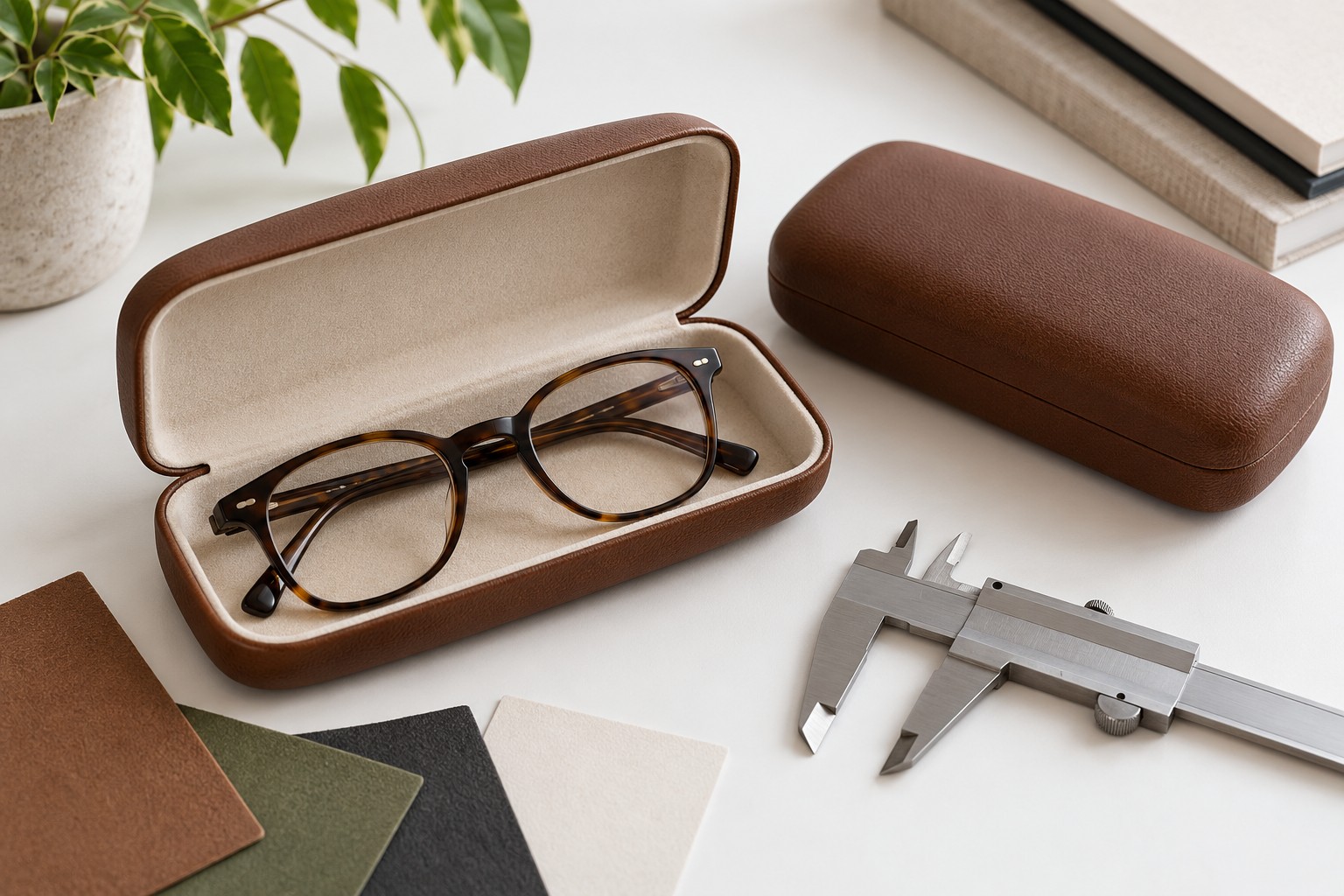
In the competitive world of optical retail, the packaging is often the first physical touchpoint a customer has with a brand. A premium eyewear case does more than just protect a product; it communicates quality, luxury, and attention to detail. For B2B buyers—ranging from independent boutique owners to global optical chains—navigating the complexities of customization can be daunting. This guide breaks down the three most critical factors in sourcing: materials, Minimum Order Quantities (MOQ), and manufacturing lead times.

1. Navigating Materials: Function Meets Aesthetics
The choice of material defines the “personality” of your brand. In the eyewear industry, materials are generally categorized based on the level of protection and the desired retail price point.
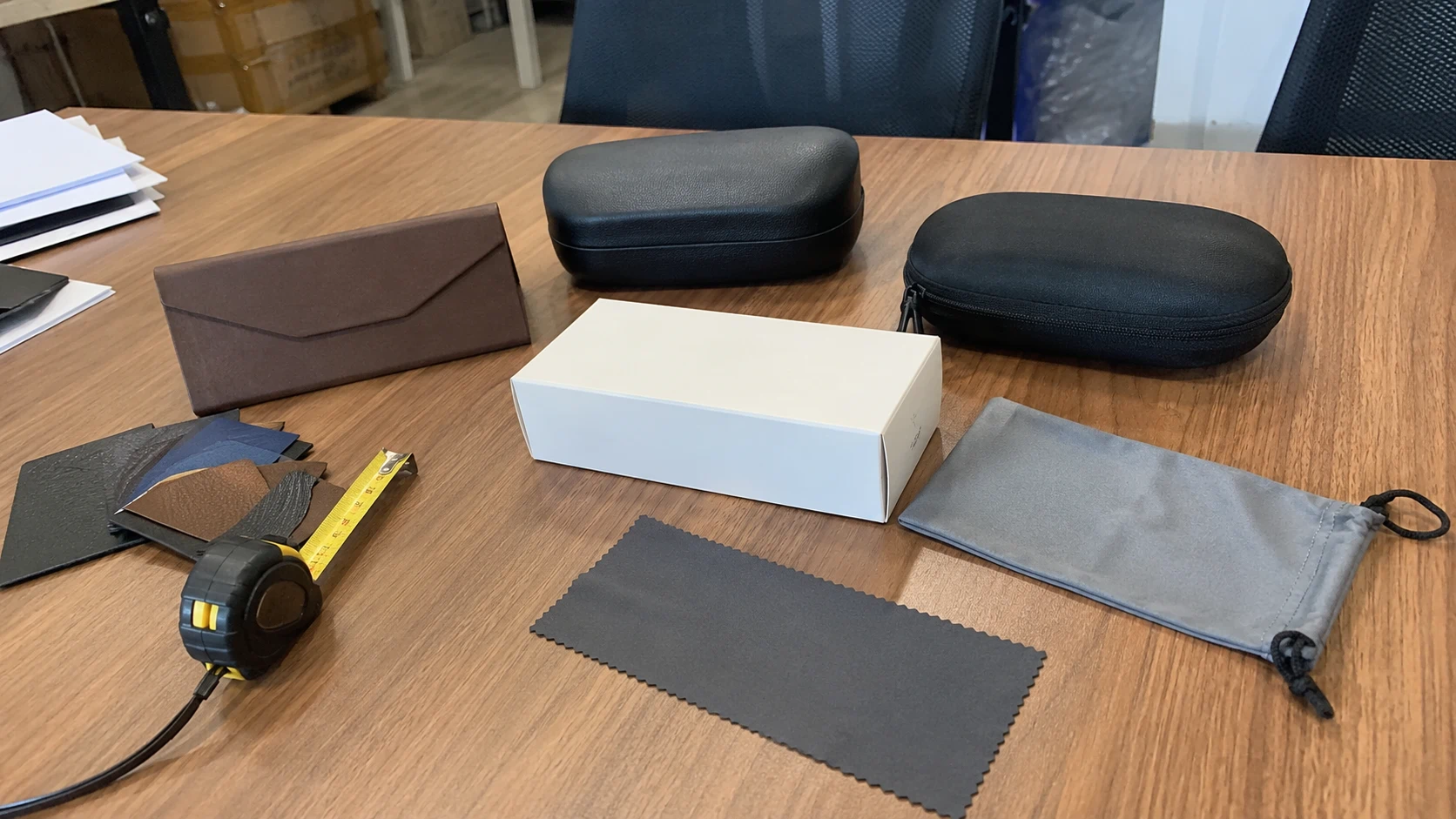
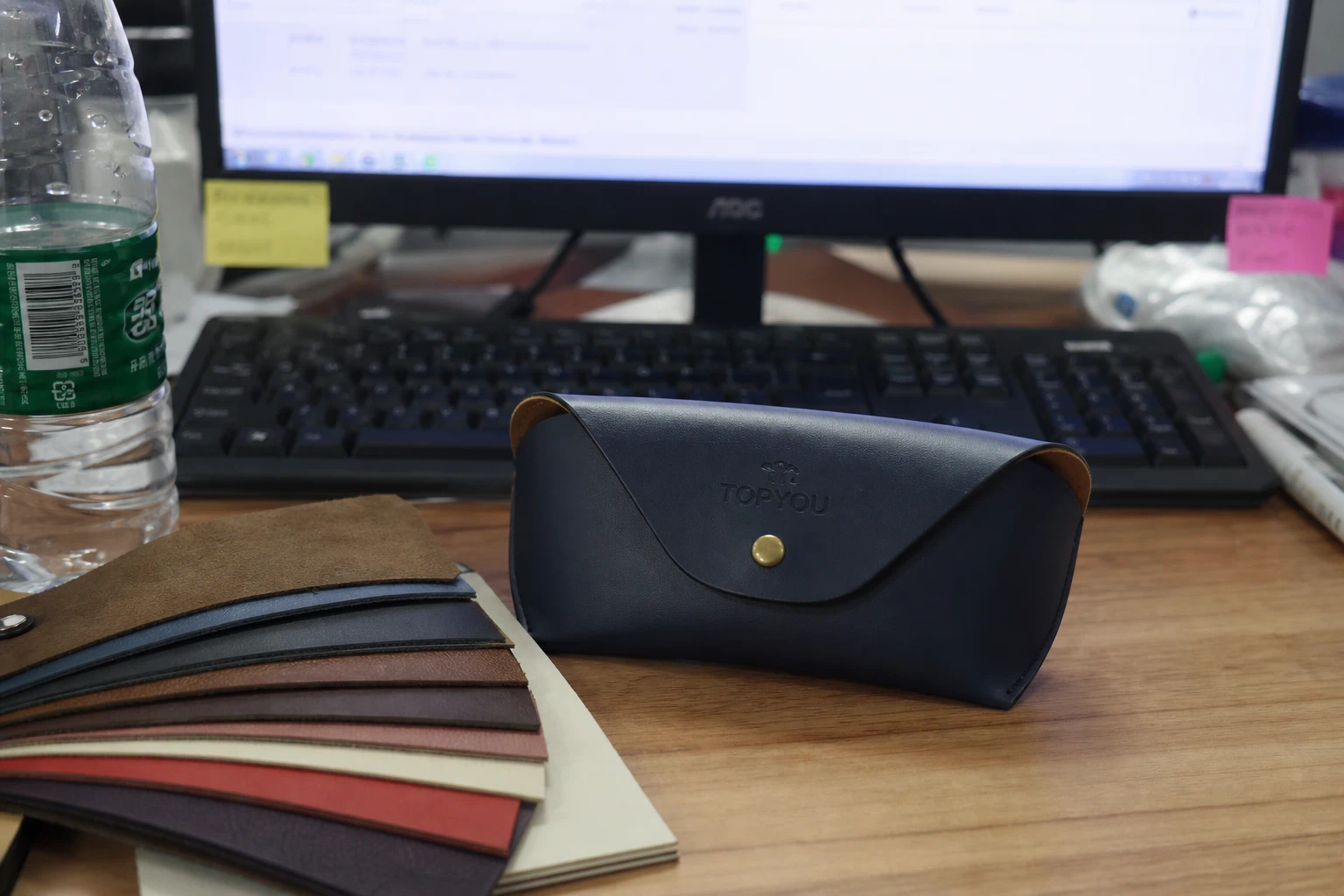
Handmade Premium Leather & PU: For luxury brands, handmade cases using high-quality PU or genuine leather are the gold standard. They offer a soft touch, elegant stitching, and high perceived value.
EVA (Ethylene Vinyl Acetate): Known for its shock-absorbing properties, EVA is the preferred choice for sports eyewear and sunglasses. It is durable, lightweight, and can be molded into various ergonomic shapes.
Metal & Plastic Hard Shells: These provide maximum crush resistance. Often wrapped in fabric or microfiber, they are ideal for optical frames that require daily, robust protection.
2. The Rise of Sustainable Materials
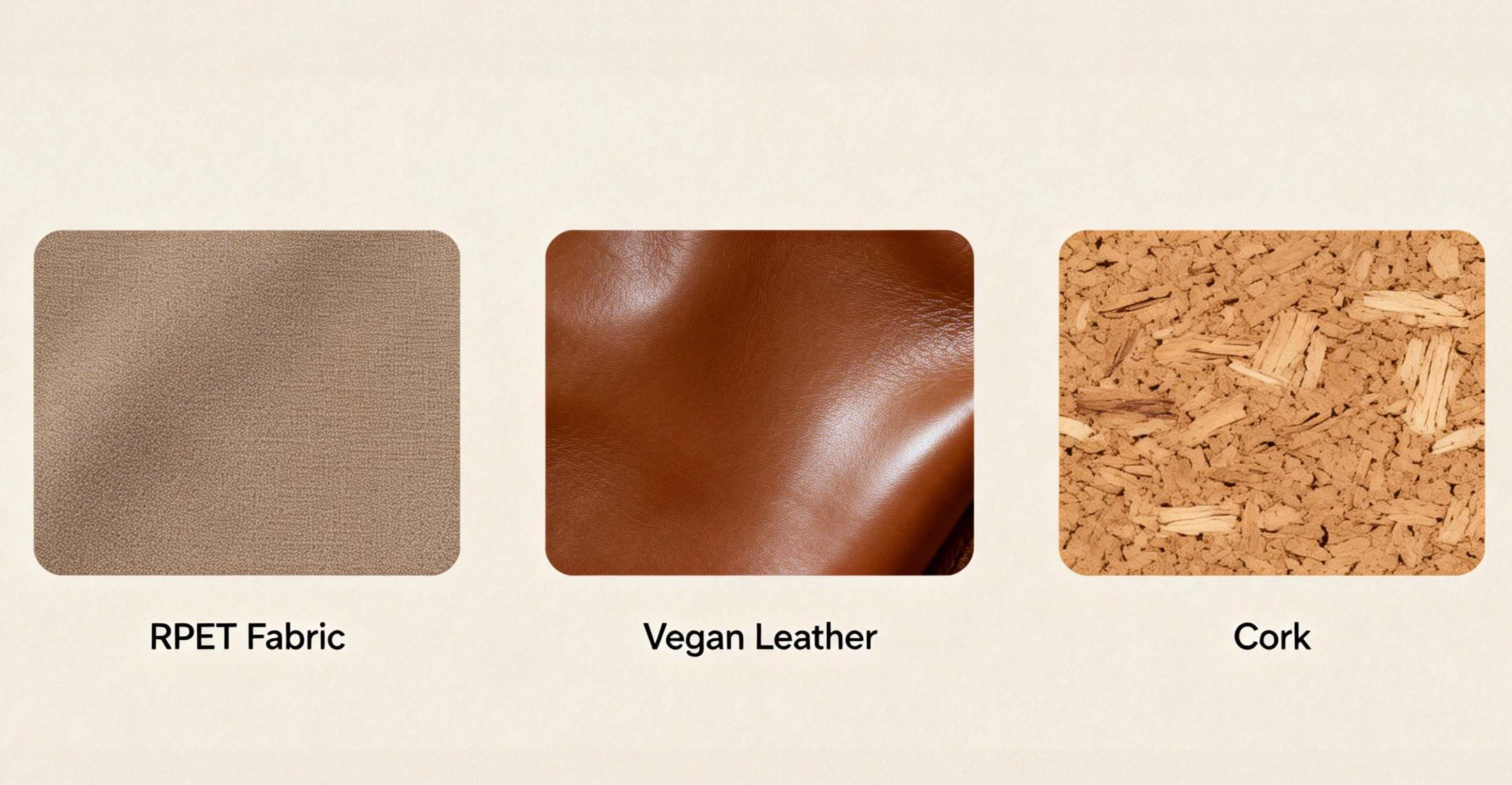
Modern B2B buyers are increasingly prioritizing environmental responsibility. Sustainable packaging is no longer a “nice-to-have”; it is a market requirement.
Using materials like RPET (Recycled Polyethylene Terephthalate), cork, and biodegradable bio-plastics allows brands to align with global ESG (Environmental, Social, and Governance) goals. At TOPYOU Packaging, we have seen a significant shift toward recycled microfiber cloths and FSC-certified paper boxes, ensuring that luxury and sustainability can coexist.
3. Understanding MOQ: Why It Matters for Your Bottom Line
Minimum Order Quantity (MOQ) is often the biggest hurdle for growing brands. In manufacturing, the MOQ is driven by the efficiency of raw material sourcing and machine setup costs.
Standard MOQs: For fully customized handmade cases, the industry standard usually starts at 1,000 to 3,000 pieces. This allows for the cost-effective sourcing of specific fabric colors and custom hardware.
Stock Options: Some suppliers offer “semi-customization” (e.g., adding a logo to an existing design) with lower MOQs of 300 to 500 pieces, which is ideal for independent boutiques.
By understanding these tiers, buyers can better manage their inventory and cash flow while still achieving a bespoke look.
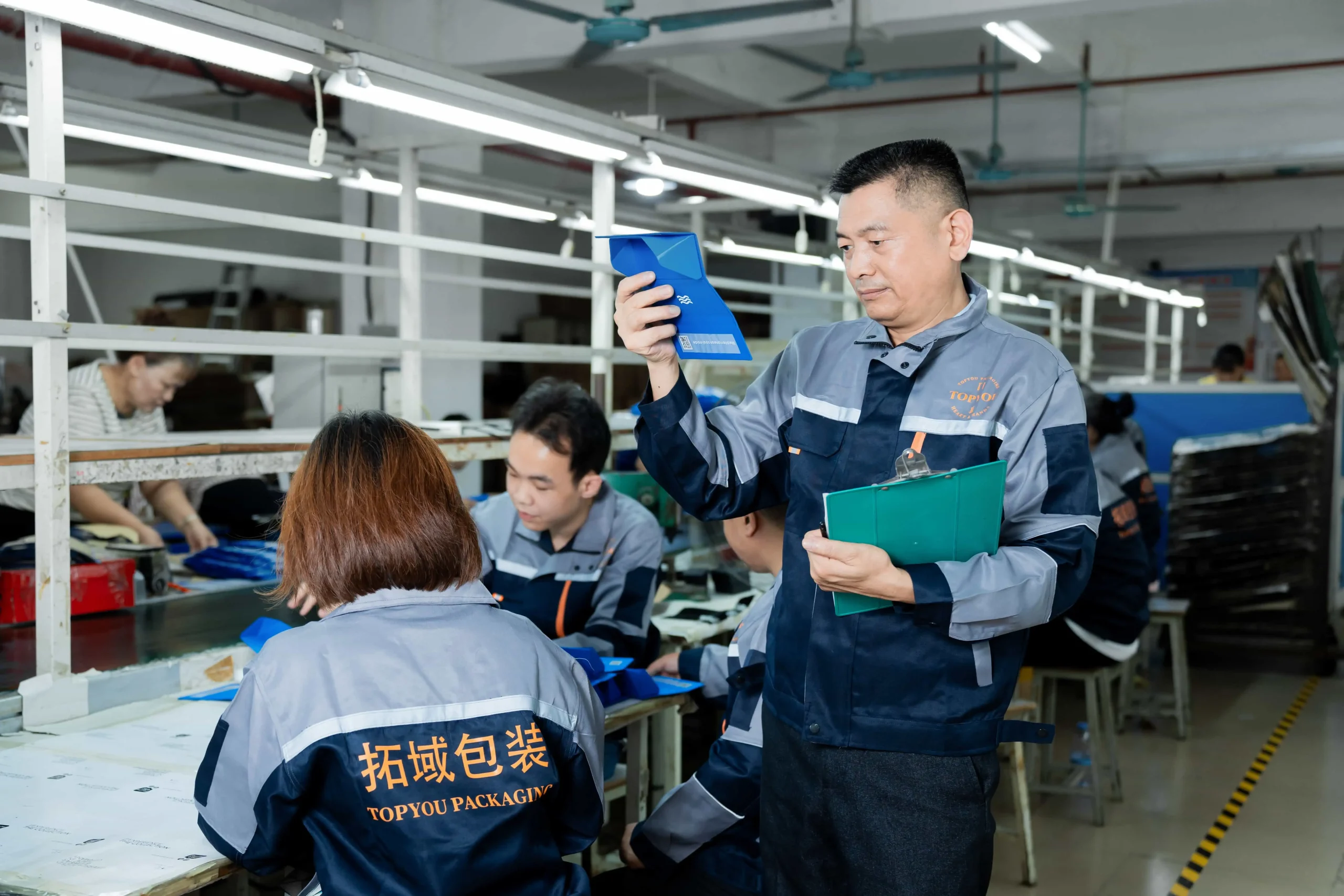
4. Decoding Lead Times: From Design to Delivery
Timing is everything in retail. A delay in packaging means a delay in the product launch. A typical manufacturing cycle involves several stages.
1.Sampling (7–14 Days): This is where the prototype is created. It’s the time to refine the logo placement, material texture, and color matching.
2.Mass Production (25–45 Days): Once the sample is approved, mass production begins. The timeline varies depending on the complexity of the design and the current factory queue.
3.Shipping & Logistics: Depending on whether you choose sea freight (30–40 days) or air freight (7–10 days), logistics must be factored into the final launch date.
5. Why TOPYOU Packaging is Your Ideal Partner
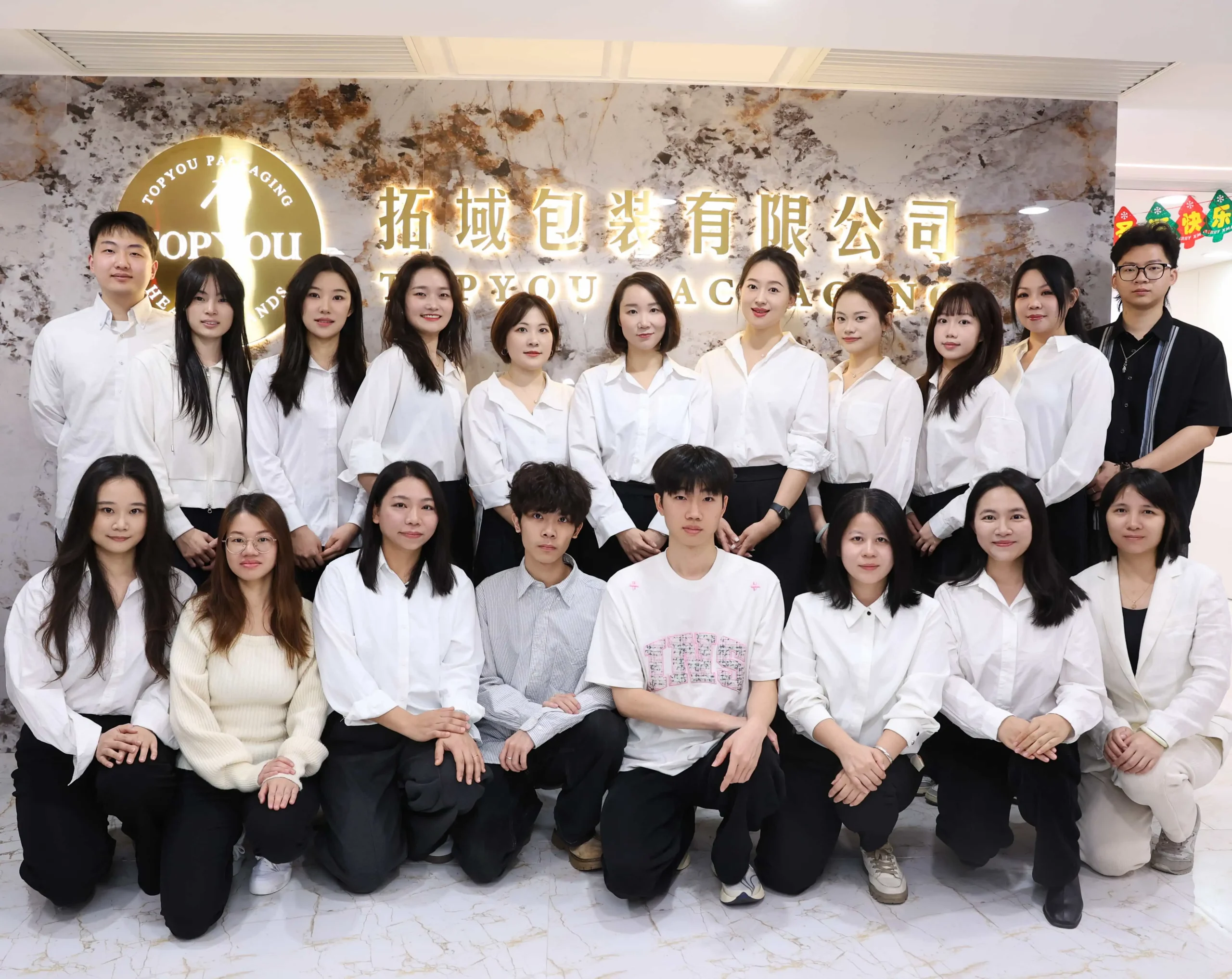
With over 18 years of specialized experience, TOPYOU Packaging has established itself as a global leader in the eyewear packaging industry. Operating two self-owned factories with a monthly capacity of 500,000 pieces, we combine the scale of a major manufacturer with the precision of a boutique studio.
We are proud to be the trusted supplier for industry giants like ZEISS, HOYA, and Ray-Ban. Our commitment to quality is backed by international certifications, including ISO 9001 and BSCI, ensuring that every case we produce meets the highest ethical and functional standards. Whether you need innovative foldable designs or sustainable RPET solutions, our team provides end-to-end support to elevate your brand.
6. FAQ: Common B2B Sourcing Questions
Q: Can I customize the interior lining?
A: Yes. We offer various linings, including velvet, microfiber, and silk-screened patterns to protect the lenses and add brand flair.
Q: Do you provide eco-friendly cleaning cloths?
A: Absolutely. Our RPET microfiber cloths are made from recycled plastic bottles and are highly popular for sustainable branding.
Conclusion: Elevate Your Brand Strategy
Choosing the right eyewear case is a balance of MOQ feasibility, material quality, and logistical efficiency. By partnering with an experienced manufacturer, you ensure that your packaging is not just a cost, but a powerful marketing tool.
Ready to Start Your Custom Project?
Don’t let packaging be an afterthought. Contact the experts at TOPYOU Packaging today for a customized quote and a digital catalog of our latest designs. Let’s build something extraordinary for your brand.
YOUR NEXT STEP
Turn your packaging brief into a clear plan.
Share your preferred style, quantity, materials and destination. Our team can help confirm the options for your project.
Discuss your project