In this guide
Selecting a cover and lining is a system decision. The visible material, backing, structural support, bonding interfaces and lens-contact surface need to work with the case geometry and the intended use. A commercial label such as “PU,” “microfiber” or “eco-leather” is not a complete specification.
Map the layers before comparing materials
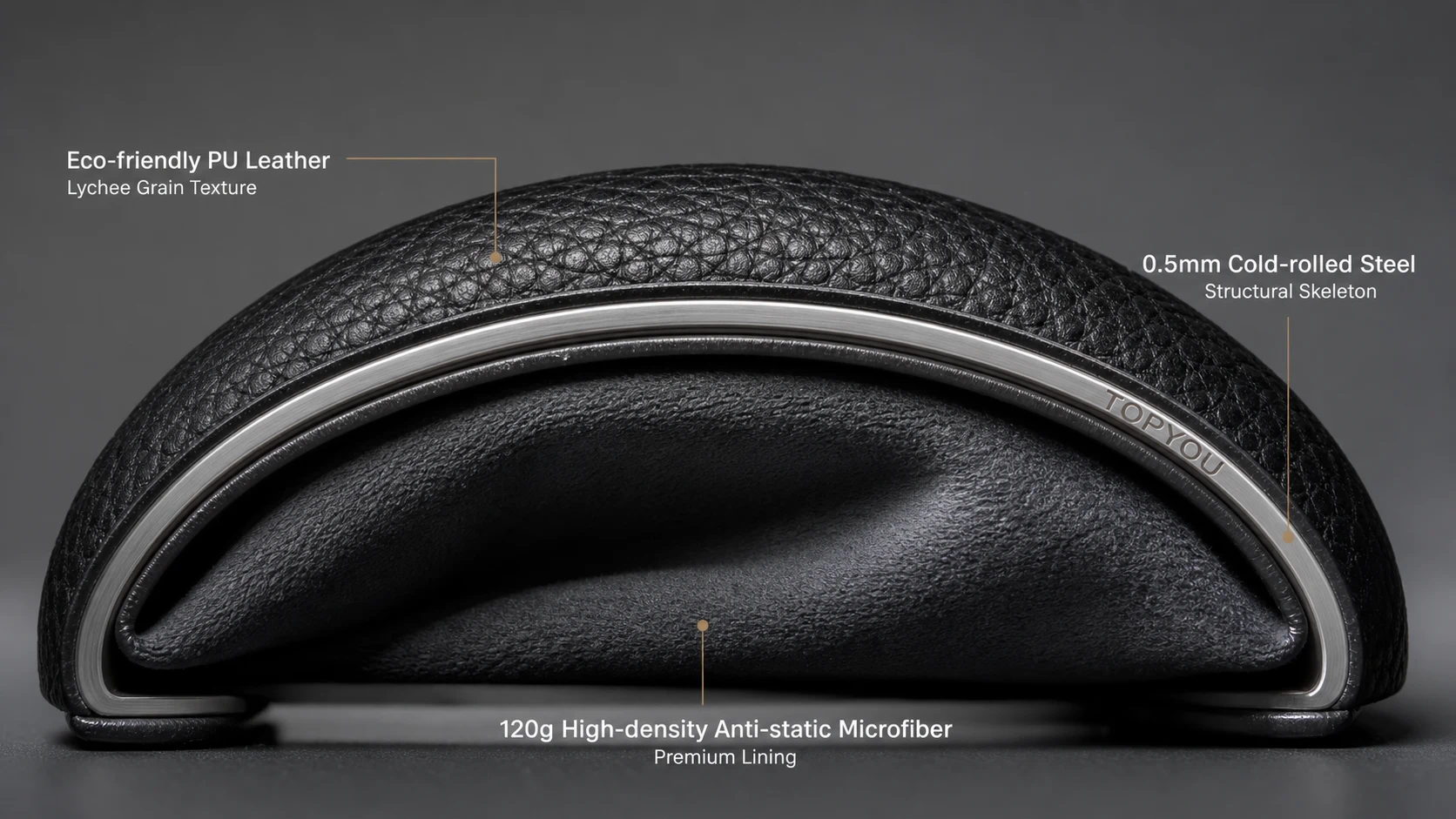
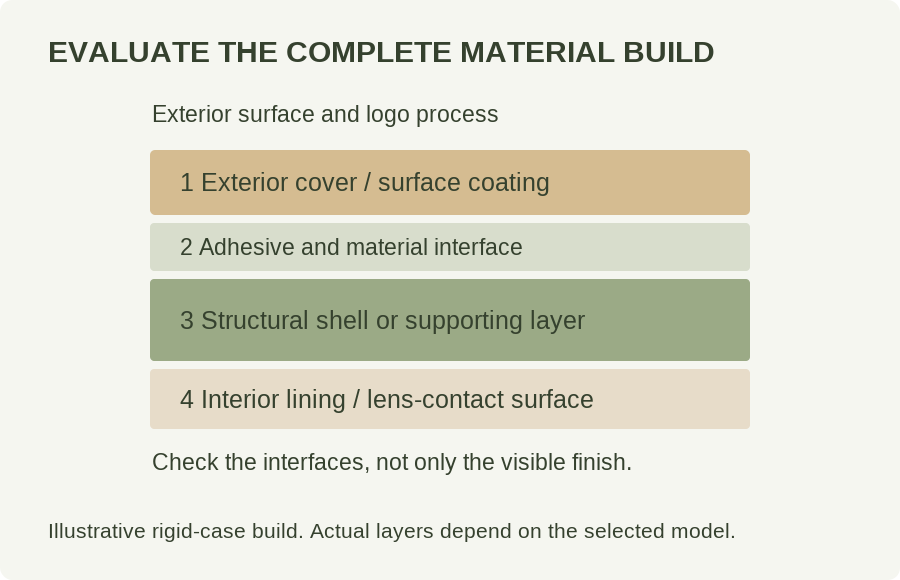
Ask the supplier to identify the construction proposed for the selected model. Record the exterior material code, surface finish, backing or supporting structure, interior lining and relevant assembly interfaces. Different case designs can use different arrangements, so the diagram is a discussion aid rather than a manufacturing drawing.
Clarify the meaning of terms such as “microfiber” in the quotation. They can be used for different commercial products. Request the actual material description and supplier data rather than assuming that a lining cloth and a leather-like cover are the same material system.
Choose by application rather than by label
| Material family | Potential role | What to verify in the project |
|---|---|---|
| Coated cover materials | Exterior texture and branding surface | Coating, backing, finish, bonding compatibility and intended service conditions |
| Woven or other fabric covers | Textile appearance and tactile identity | Edges, fraying control, decoration clarity and assembly method |
| Paper-based covers or components | Printed presentation and structural packaging | Construction, surface finish, crease or edge quality and packing conditions |
| Soft textile linings | Interior contact and presentation | Fit, surface finish, color transfer concerns and bonding to the structure |
| Recycled-content options | A specified material or component claim | Composition, traceable evidence and performance in the proposed build |
The roles in this table are possible uses, not claims that every material in a family has the same durability or environmental performance. Evaluate the actual grade and finished construction.
Review the exterior and logo process together
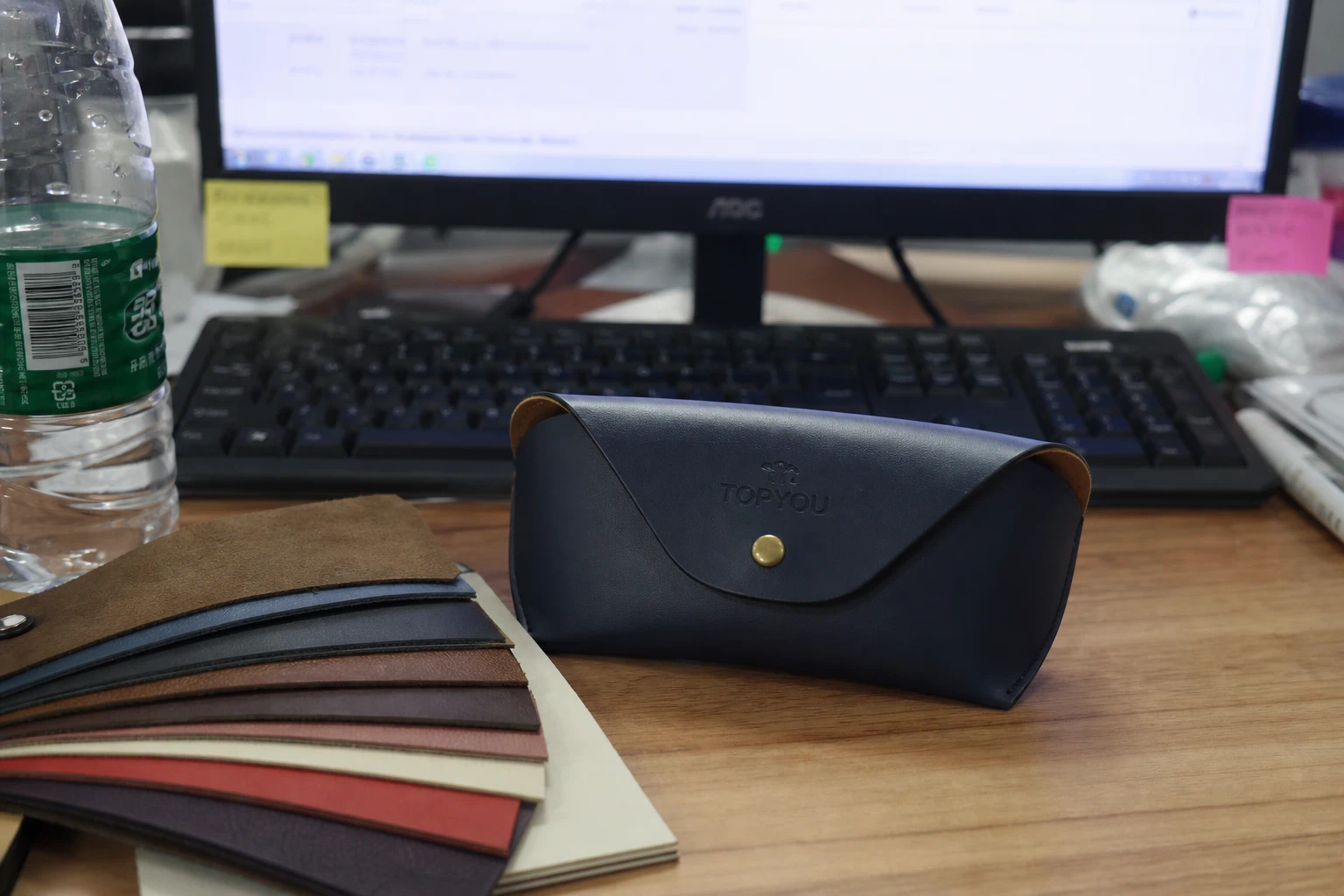
Surface texture, coating and flexibility can affect how a small logo appears. Review the chosen artwork on the actual material using the proposed process. A clean digital rendering does not demonstrate embossing depth, foil adhesion or print appearance on a physical surface.
Provide the logo’s intended size and position, not only its file. Ask the supplier to identify any detail that needs adjustment for the process. Approve the result with the material code and artwork revision attached.
Evaluate the lining with the intended eyewear
Check the interior after the lining is installed. Look for exposed hard parts, raised edges, visible adhesive and local pressure around the bridge, lenses and folded temples. A soft swatch alone does not establish the behavior of the assembled case.
Where relevant to the project, discuss color transfer, surface finish and contact-related checks. Identify the frame models and any surface sensitivities that the supplier should consider. Avoid relying on an undefined “scratch-proof” claim.

Match testing to a specific concern
| Concern | Question for the supplier or laboratory | Information needed in the record |
|---|---|---|
| Coating separation | Which coating-adhesion method suits this material? | Sample identity, conditioning, method, results and acceptance basis |
| Bond separation | Which interface is being tested? | Substrates, adhesive system, preparation and failure location |
| Color transfer | Which contact conditions are relevant? | Contact material, conditions and agreed evaluation |
| Wear or repeated use | What use pattern is the programme representing? | Method, conditions and the property measured |
| Storage behavior | Which recorded or expected conditions matter? | Environment, duration, specimen preparation and observations |
ISO 2411:2024 addresses coating adhesion of coated fabrics. It is one example of a defined method, not a general certificate of all case performance. Ask the laboratory to confirm suitability and agree the acceptance basis for the selected product.
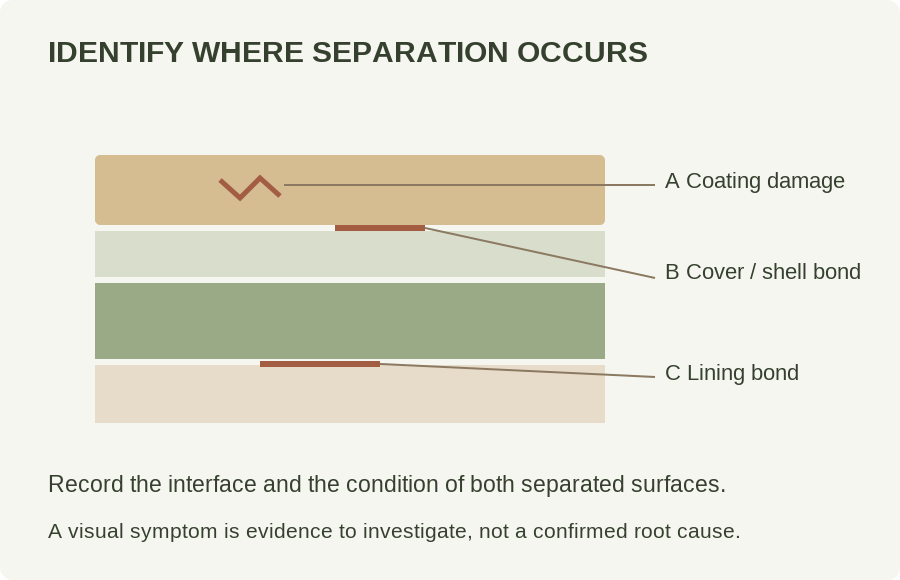
If a trial fails, record the interface and the condition of both surfaces. Changing the exterior cover will not necessarily resolve a lining bond problem. The PU failure investigation guide shows how to organize that evidence.
Approve color as a complete set
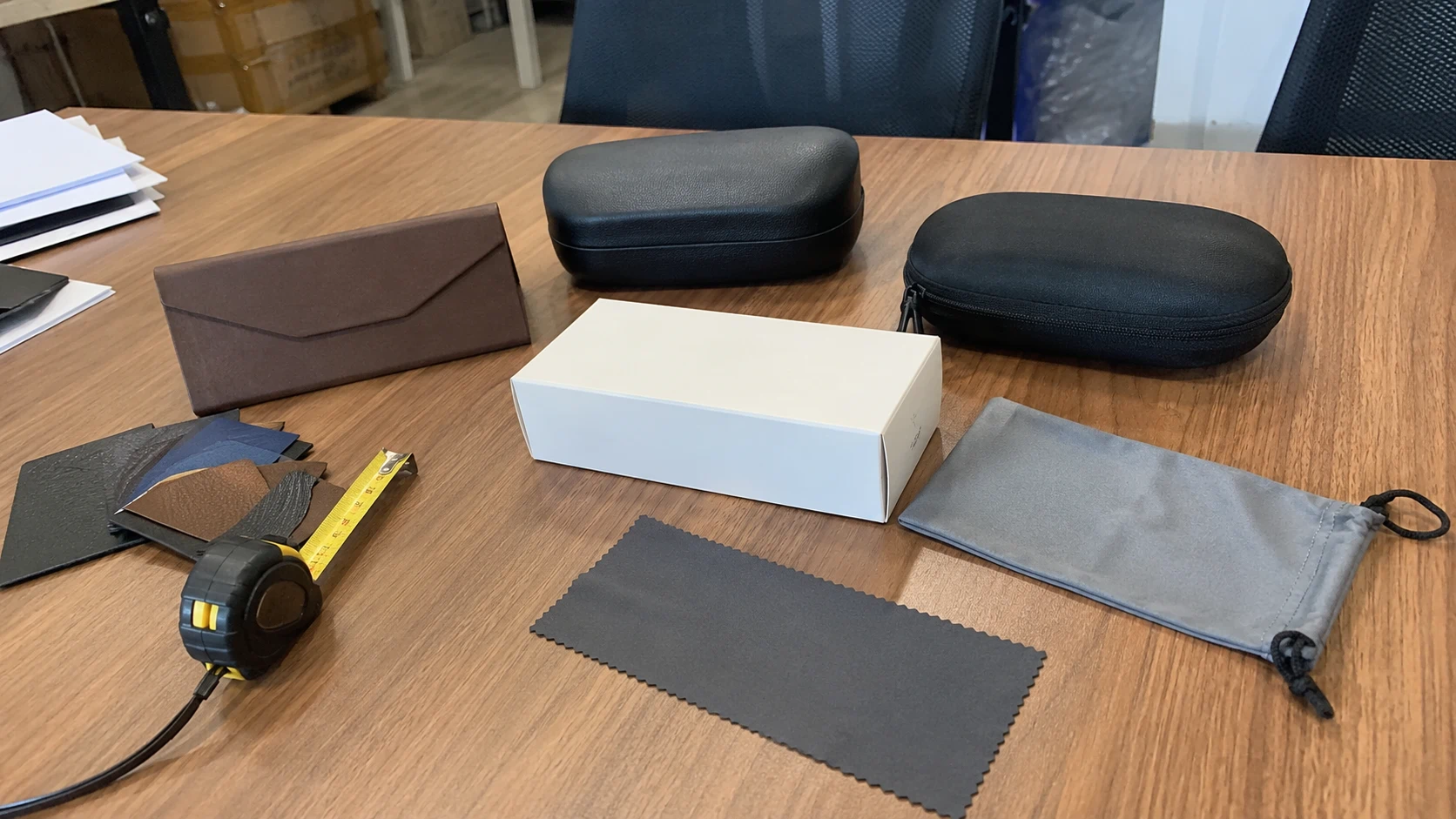
Review the exterior, lining, cloth, pouch and paper box together where they form one branded set. The same color reference can look different on different textures or substrates. Agree the viewing conditions and retain the physical references used for approval.
For a repeat order, identify the material and color revisions. If a supplier proposes a replacement material, review its effect on appearance, fit, decoration, bonding and relevant documentation before accepting it.
Keep the specification and evidence connected
The approval record should connect the selected material codes, sample, artwork, construction and test or declaration references. Recycled-content and market-specific claims should match the actual component. A report for an earlier or different material does not automatically cover a replacement.
Explore the material and branding options, then send the proposed case style, intended use, quantity and destination through the contact page. The useful outcome is a material combination that can be specified, sampled, approved and repeated.
YOUR NEXT STEP
Turn your packaging brief into a clear plan.
Share your preferred style, quantity, materials and destination. Our team can help confirm the options for your project.
Discuss your project