In this guide
Beyond Aesthetics: Why Sustainable Packaging is Now an Operational Necessity
The eyewear industry is undergoing a seismic shift. For decades, the focus was solely on the frame’s design and optical clarity. Today, however, the “unboxing experience” has become a critical touchpoint for brand identity. More importantly, global regulations—such as REACH and RoHS compliance—are no longer optional hurdles but mandatory standards for market entry in the EU and North America. As brands strive for carbon neutrality, the traditional “linear” supply chain of virgin PU materials is becoming a liability.
Choosing the right custom eyewear packaging is no longer just about aesthetics; it is an operational necessity. Retailers and brand owners who fail to address the environmental impact of their accessories risk alienating a growing demographic of eco-conscious consumers. By integrating sustainable solutions into your supply chain, you are not just ticking a compliance box; you are elevating your brand’s perceived value. A strategic shift toward sustainable materials acts as a powerful differentiator, signaling that your brand is forward-thinking, responsible, and premium. At TOPYOU, we have observed that brands prioritizing these ESG goals often see higher customer loyalty rates and stronger brand positioning in competitive retail markets.
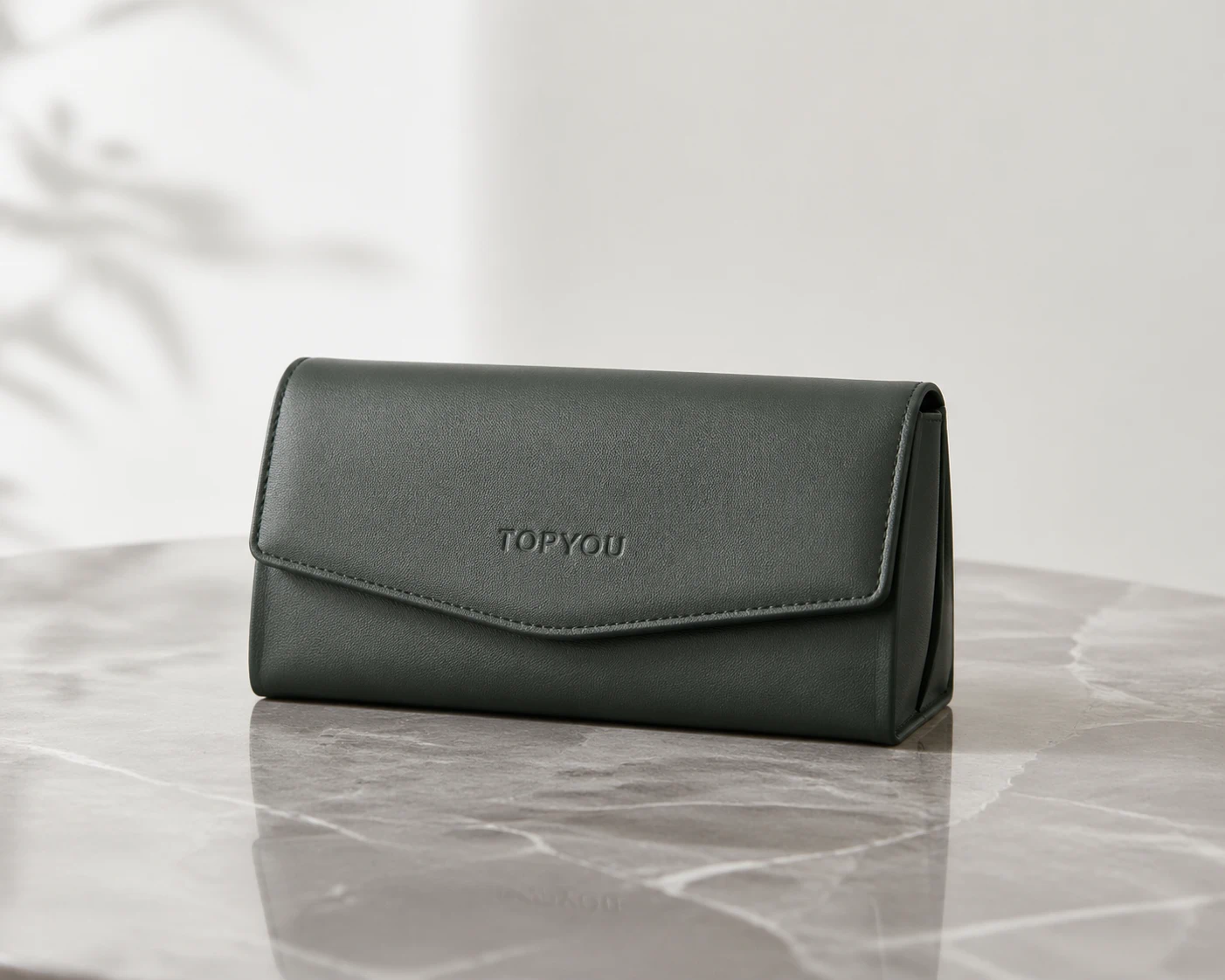
Transitioning to sustainable alternatives is a multi-faceted process that requires careful planning, which leads us to examine the common traps brands often fall into during this pivotal change.
Common Pitfalls When Transitioning to Sustainable Materials
When brands decide to move toward eco friendly eyewear packaging, they often encounter significant roadblocks caused by misinformation or rushed implementation. The most dangerous trap is “Greenwashing.” In a rush to satisfy market demands, some companies switch to materials that lack verified third-party certifications. If your packaging is marketed as sustainable but fails to meet global standards like REACH or Intertek requirements, you open your brand up to legal and reputational risks. Authentic sustainability requires a paper trail that proves your supply chain’s integrity.
Another common misconception is the “Durability vs. Eco-friendliness” myth. Many purchasing managers mistakenly believe that recycled materials lack the structural integrity of virgin plastics. This is rarely the case if you are sourcing from an experienced glasses case manufacturer. High-quality recycled PU can provide the same, if not better, protection and tactile finish as traditional materials. Finally, many brands underestimate the complexity of customization. They attempt to force sustainable materials into designs that weren’t optimized for them, leading to increased costs and production delays. A successful transition requires balancing your brand’s unique identity with the technical capabilities of your material partner.
By avoiding these pitfalls, you prepare your brand for the next step: selecting a material that performs as well as it looks.
Why Recycled PU (rPU) is the Strategic Choice for Premium Eyewear
For brands targeting the high-end market, Recycled PU (rPU) has emerged as the gold standard in luxury eyewear packaging. Unlike low-quality recycled plastics, modern rPU offers a sophisticated hand-feel that satisfies the tactile expectations of luxury consumers. It provides the same sleek, premium texture that your customers associate with quality craftsmanship, without the heavy environmental footprint of virgin PU production.
When you choose to work with a professional custom eyeglass packaging manufacturer, you gain access to materials that are engineered for durability. TOPYOU’s rPU solutions, for instance, are rigorously tested to ensure they withstand the rigors of global shipping and daily consumer use. Beyond performance, the carbon footprint reduction is measurable and significant. By opting for recycled components, you are directly reducing raw resource consumption and lowering the energy usage required in your manufacturing cycle.
Furthermore, by utilizing certified materials that comply with CA65 and RoHS standards, you future-proof your supply chain against increasingly stringent international import regulations. This is not just a material upgrade; it is a strategic business move that enhances your brand’s credibility while providing a superior product to your end-users.
Once the material is selected, the next challenge is integrating it into your existing production flow without causing supply chain disruptions.
Implementation Roadmap: How to Switch Without Disrupting Your Supply Chain
Transitioning to new packaging materials does not have to be a radical, high-risk overhaul. The most successful brands approach this through a phased implementation roadmap. Start by auditing your current eyewear packaging portfolio. Identify your high-volume SKUs; these are the best candidates for your initial transition because they offer the fastest return on your investment in terms of sustainability marketing and waste reduction.
The Prototyping Phase
The prototyping phase is where the expertise of your ODM partner is critical. Use this stage to test the structural integrity of your new sustainable cases. Ensure that the design maintains the same level of protection and “brand statement” that your customers have come to expect. You want the experience of opening the case to feel just as premium as it did before.
Design for Longevity
Shift your design philosophy toward “collector’s items.” Instead of designing a case that is discarded, create a piece that is durable and aesthetically pleasing enough for the consumer to repurpose. This increases the lifetime value of your packaging and reinforces your brand’s commitment to quality.
Scaling from Small Orders
A common hurdle for smaller brands or retailers is the Minimum Order Quantity (MOQ). However, working with a factory that supports flexible production—such as our 3000pcs MOQ model—allows you to pilot your sustainable line without over-committing capital. This approach allows for real-time market feedback, ensuring that your final, scaled-up production run is perfectly tuned to your customers’ preferences.
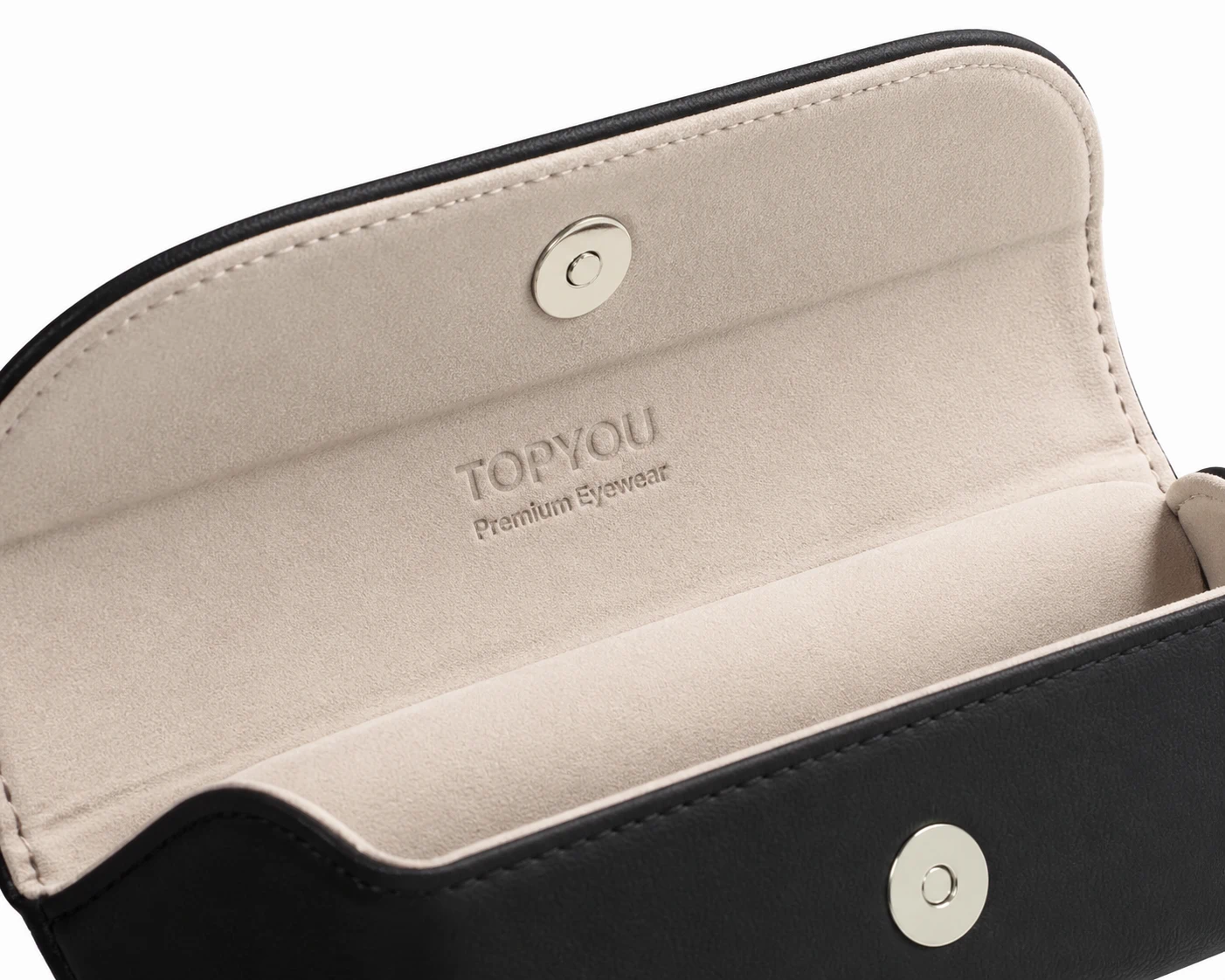
As you scale, the importance of a strong, transparent partnership with your supplier becomes the backbone of your operational success.
Partnering for Impact: Building a Transparent Green Supply Chain
In the B2B manufacturing landscape, the quality of your partnership defines the success of your product. Sustainability is not something you can achieve in a vacuum; it requires a deep, collaborative relationship with your supplier. When you partner with an expert ODM, you are not just buying boxes; you are integrating their R&D, material sourcing, and quality control capabilities into your own business.
Transparency has become a powerful marketing asset. Today’s retailers and consumers want to know where their products come from and how they are made. By sharing your supplier’s certification details—such as Intertek or REACH compliance documentation—you build immediate trust with your buyers. This transparency proves that your brand is not just talking about sustainability, but actually investing in it. A reliable custom logo eyeglass case provider should be willing to provide these details as part of their standard service.
Furthermore, look for partners who offer full-cycle integration advice. Can the case be recycled at the end of its life? Are the inks and adhesives non-toxic? By asking these questions and working with a partner who understands the “why” behind the “what,” you transform your packaging from a commodity into a powerful brand equity builder.
Ultimately, this transition is about making small, calculated steps that lead to massive, long-term brand equity.
Conclusion: Start Small, Think Big
The journey toward sustainable custom eyewear packaging is a marathon, not a sprint. By moving away from conventional, high-impact materials and embracing innovative, recycled solutions like rPU, you align your brand with the future of global retail. You reduce the risk of supply chain disruptions, meet the demands of an increasingly eco-conscious market, and reinforce your reputation as a high-quality, responsible leader in the eyewear industry.
Do not be intimidated by the scale of the challenge. Start with a single line, test your concepts through an experienced ODM partner, and refine your approach based on consumer feedback. As you witness the positive reception of your eco-friendly initiatives, you will find that these efforts not only pay for themselves in brand loyalty but also set a new standard for your competitors.
Are you ready to elevate your brand with packaging that reflects your commitment to quality and the environment? Contact us for custom eyewear packaging solutions tailored to your brand. Let us help you navigate the transition to a greener, more profitable future.
YOUR NEXT STEP
Turn your packaging brief into a clear plan.
Share your preferred style, quantity, materials and destination. Our team can help confirm the options for your project.
Discuss your project