In this guide
In today’s highly competitive retail landscape, the unboxing experience is no longer an afterthought—it is a critical touchpoint that defines consumer perception. For optical brands aiming to capture a premium market share, investing in custom eyewear packaging is not merely an operational necessity; it is a strategic branding maneuver. When a customer purchases a pair of sunglasses or optical frames, the first physical interaction they have is not with the product itself, but with its protective enclosure.
Luxury houses understand this intimately, often spending a significant portion of their production budget on meticulously crafted cases that exude exclusivity. However, mid-tier and emerging brands frequently face a dilemma: how can they emulate this top-tier luxury feel without eroding their profit margins? The secret lies in reverse-engineering the anatomy of a high-end case and substituting traditional materials with innovative, sustainable alternatives. By analyzing structural integrity, material choices, and the subtle tactile details that define luxury, brands can elevate their packaging strategy.
This comprehensive guide will dissect the elements of premium eyeglass packaging and reveal how utilizing materials like Recycled PU and jewelry-class fabrics can transform your brand’s unboxing experience, drive customer loyalty, and ultimately justify a higher retail price point.
This brings us to the fundamental evolution in how modern consumers interact with packaging, shifting the focus from mere protection to long-term brand retention.
The “Quiet Luxury” Shift: From Mere Protection to Brand Retention
The traditional role of a glasses case was strictly functional: prevent the lenses from scratching and the frames from bending. However, industry trends for 2025 and 2026 indicate a massive shift toward “Quiet Luxury,” where understatement, high-quality materials, and sustainability reign supreme. Consumers no longer discard luxury cases after purchase. According to recent retail packaging insights, over 70% of luxury consumers retain high-quality packaging to use as travel organizers, desk accessories, or fashion statements.
This behavioral shift means your packaging must now match the eyewear’s inherent value. When a case is repurposed, it acts as a permanent billboard for your brand in the consumer’s daily life, significantly increasing brand recall and repeat purchase rates.
Furthermore, the new mandate for brand managers is balancing this premium feel with stringent eco-compliance. Global markets are increasingly demanding eco friendly eyewear packaging, driven by both consumer preference and legislative action. Mid-tier brands are caught in a challenging position: they must look high-end while meeting global sustainability trends. Utilizing materials like virgin plastics or cheap synthetic leathers is no longer viable, as modern buyers actively seek out brands that align with their environmental values.
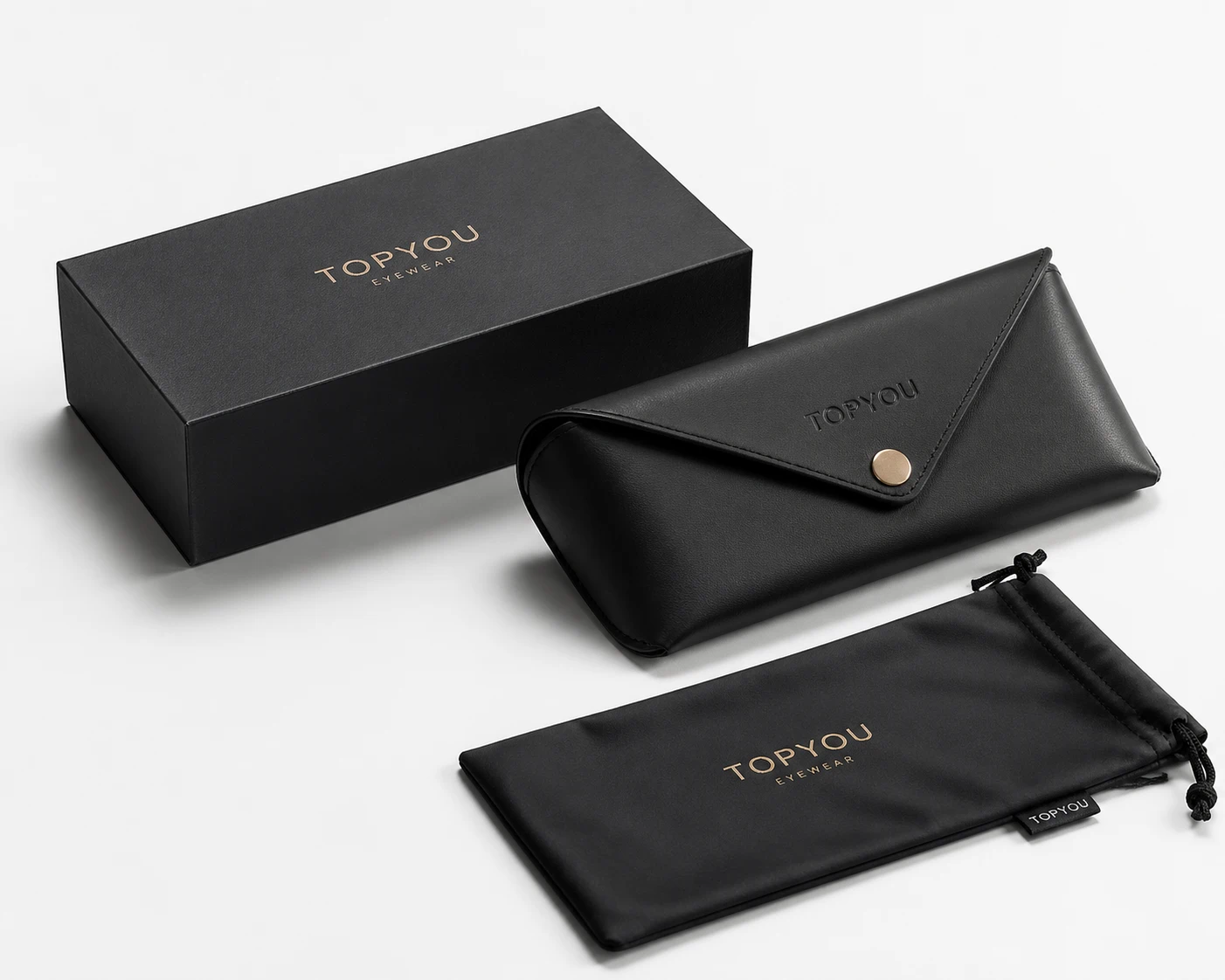
We have seen many brands make the mistake of ignoring this dual demand, resulting in lost market share to competitors who successfully merge aesthetics with eco-consciousness. To navigate this, partnering with a forward-thinking custom eyeglass packaging manufacturer is essential. A reliable partner like TOPYOUpackaging can help integrate sustainable materials without sacrificing the luxurious weight and texture that consumers expect.
As we understand the macro shift towards sustainable luxury, we must next examine the exact physical attributes that make a premium case feel inherently valuable in the hands of the consumer.
Decoding the Luxury Unboxing: The Tactile Contrast Rule
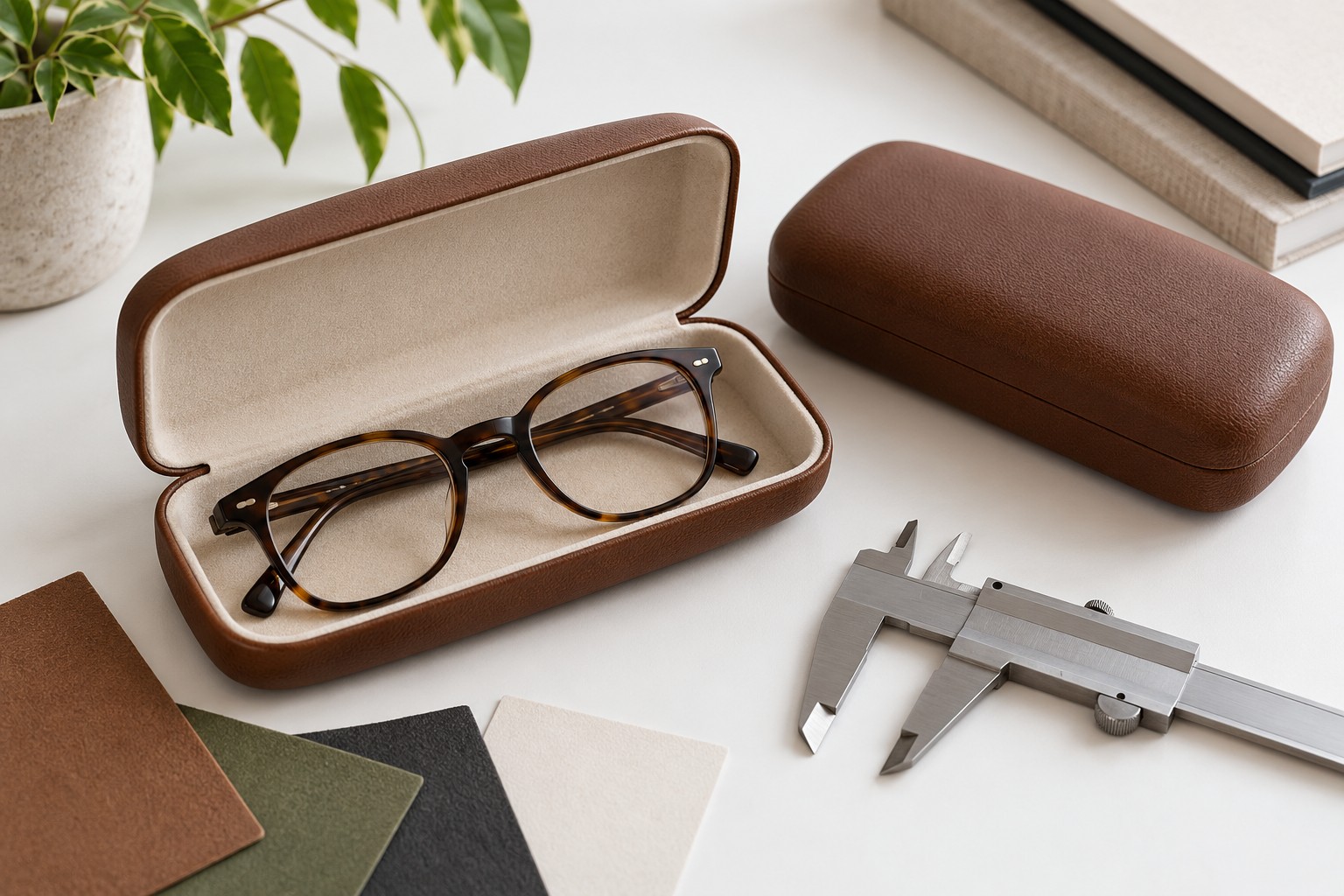
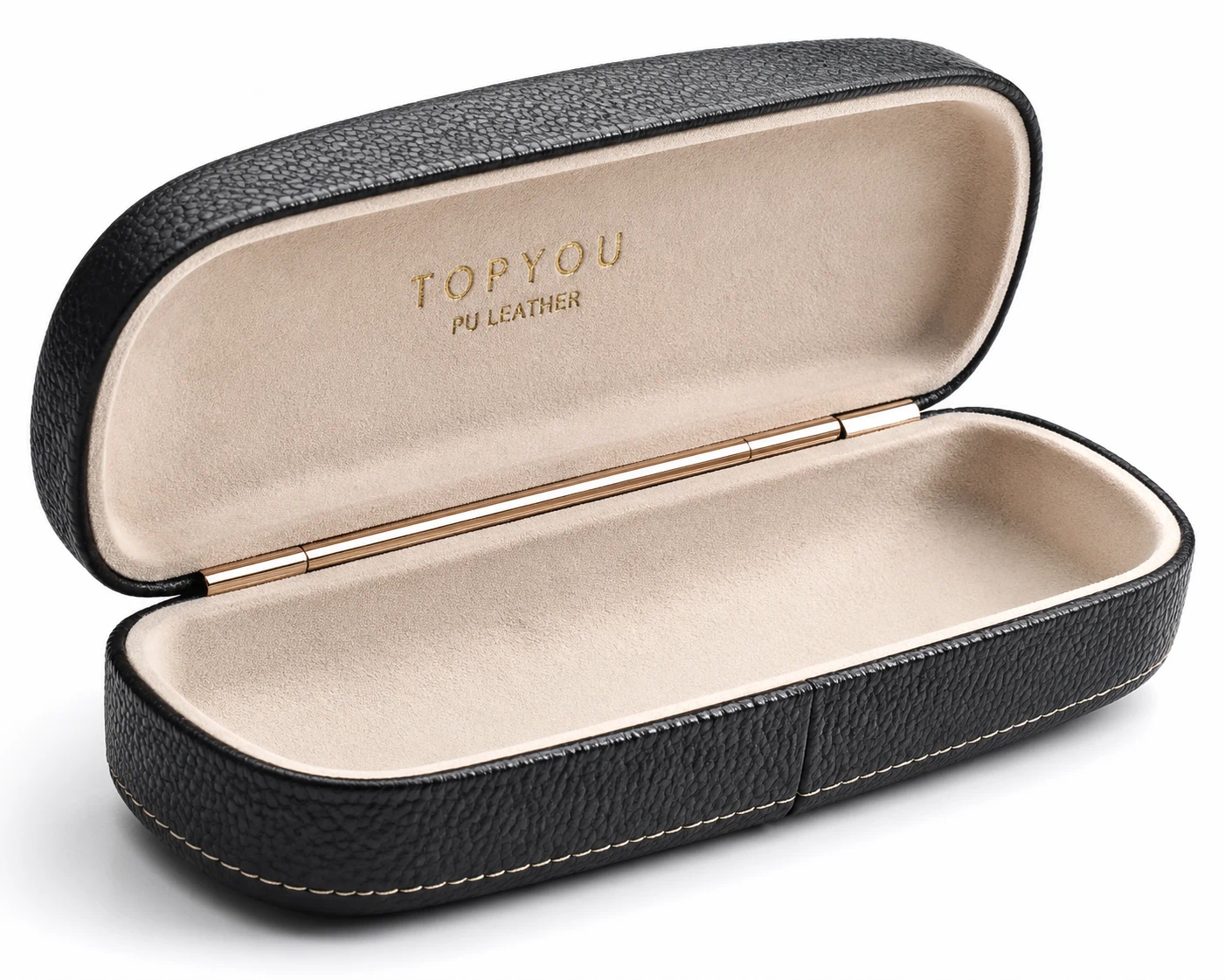
If you dissect a $500 eyewear case from a top-tier designer brand, you will immediately notice a recurring structural theme: the Tactile Contrast Rule. Luxury is fundamentally communicated through sensory feedback, primarily touch. Top brands achieve this by engineering a structured, resilient exterior paired with an ultra-soft, protective interior. Consider the classic clamshell case; its rigid outer shell provides the necessary psychological reassurance that the delicate eyewear inside is safe from crushing impacts during transit. This structural integrity directly contributes to reducing return rates caused by shipping damages, a major cost-saving factor for wholesale eyeglass cases distributed globally.
The contrast occurs when the customer opens the robust exterior to reveal an interior that feels unexpectedly plush and delicate. This juxtaposition—tough on the outside, luxurious on the inside—creates a memorable sensory experience. Industry data reveals that brands implementing structural rigid packaging combined with premium interiors see a 15% increase in positive customer reviews mentioning the “quality” of the product. Furthermore, smart structural design allows for optimized internal space, which can significantly lower logistics costs by reducing dimensional weight during international shipping.
When exploring eyewear packaging ideas, decision-makers must prioritize this tactile contrast. It is not enough for a case to simply look good on an e-commerce product page; it must feel substantial and protective when held.
Beyond the obvious structural elements, the true essence of luxury is often hidden in the microscopic, silent details that consumers notice only subconsciously.
The “Silent” Details That Matter in High-End Packaging
While the visual design and material choices are the most apparent aspects of custom eyewear packaging, the true differentiation between a mediocre case and a luxury one lies in the “silent” details. These are the micro-interactions that a customer experiences during the unboxing process. The first critical detail is weight distribution. A premium case feels balanced and substantial. If a case is too light, it translates to “cheap” in the consumer’s mind, regardless of the logo printed on it.
The second crucial element is hinge smoothness. The resistance and sound of the closure mechanism speak volumes about manufacturing quality. A high-end clamshell case should snap shut with a satisfying, muffled ‘thud’, utilizing hidden magnetic closures or precision-engineered spring hinges, rather than a loud, hollow clack.
Perhaps the most overlooked silent detail is the absence of chemical odors. We see many brands make this mistake: they invest in a beautiful design but neglect to specify the type of adhesives used during assembly. When a customer opens a brand new, custom logo eyeglass case and is greeted by the sharp, toxic smell of industrial glue, the luxury illusion shatters instantly. According to consumer sentiment analysis in the accessories market, nearly 40% of negative unboxing experiences are directly tied to unpleasant chemical smells.
To ensure a truly premium experience, procurement teams must insist on non-toxic, eco-friendly water-based adhesives. These silent details are exactly how to choose eyewear packaging that elevates your brand from standard to exceptional.
Understanding these meticulous details paves the way for the most critical strategic decision: selecting the right materials that deliver luxury aesthetics without the luxury price tag.
The Strategic Substitution: Why Recycled PU is the Ultimate Alternative
For decades, genuine leather was the undisputed king of luxury packaging. However, due to escalating costs, ethical concerns, and strict environmental regulations, modern brands are pivoting. The strategic substitution involves upgrading materials without breaking the bank, and Recycled PU (Polyurethane) stands out as the ultimate luxury alternative for the exterior. Recycled PU masterfully mimics the organic grain, softness, and durability of premium leather while offering a powerful, authentic “Sustainable” marketing story. By utilizing RPET materials and regenerated synthetics, brands can appeal to the eco-conscious consumer while maintaining a highly sophisticated aesthetic. This material innovation is redefining what luxury eyewear packaging can be in the modern era.
Moreover, utilizing Recycled PU transforms compliance into a competitive edge. For global brands, navigating international import regulations is a complex logistical hurdle. Materials must pass stringent chemical testing. Premium Recycled PU ensures seamless market entry into the US and Europe because it can be engineered to comply with RoHS, REACH, and CA65 standards. This mitigates the risk of customs rejections and protects the brand from costly compliance lawsuits.
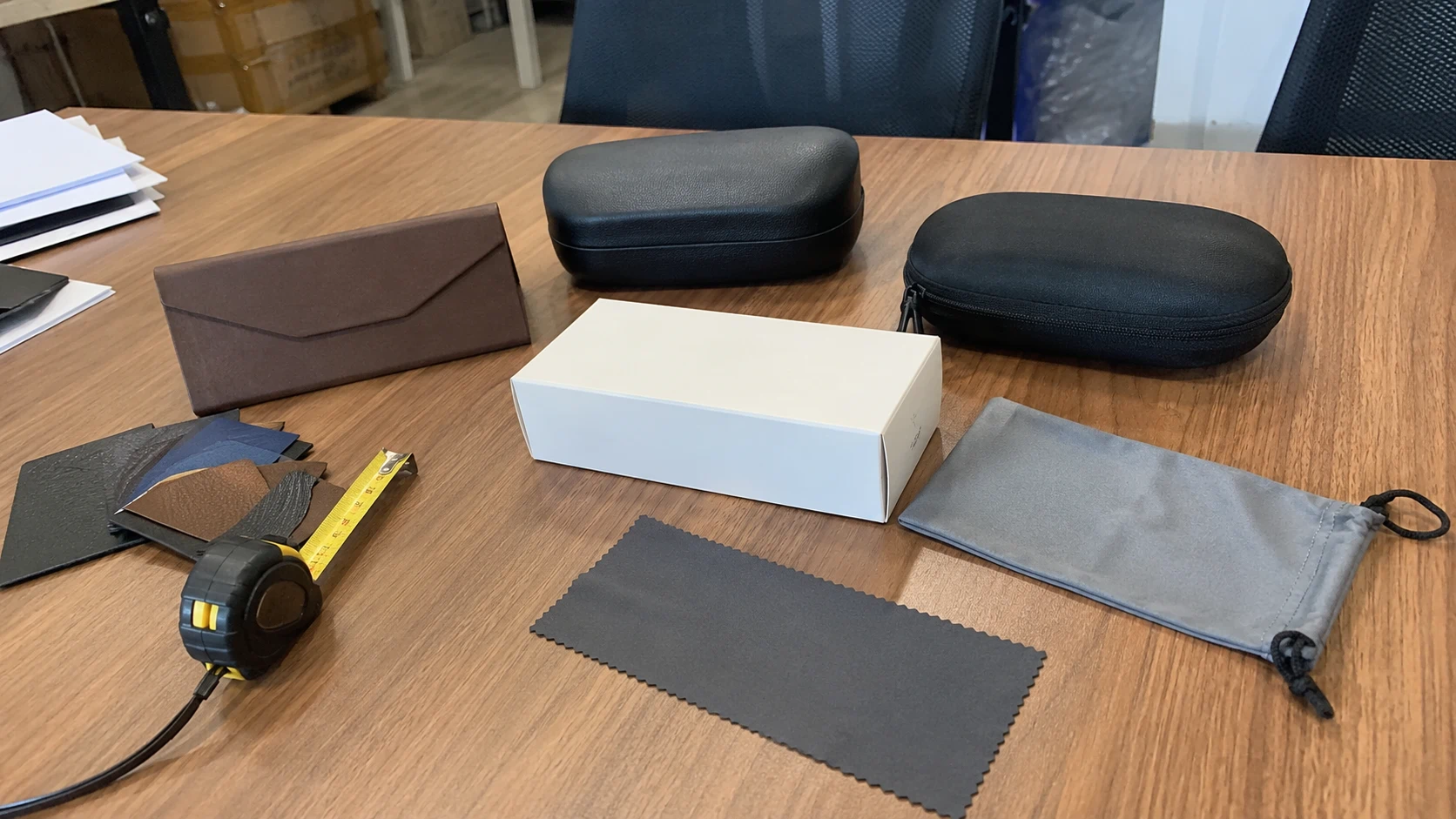
Working with an experienced OEM eyewear packaging provider like TOPYOU ensures that you have access to a vast library of over 1,500 compliant designs. Evaluating eyewear packaging cost isn’t just about the unit price; it is about factoring in the total value of compliance, sustainability, and premium aesthetics that Recycled PU effortlessly provides.
While the exterior draws the eye and protects the product, the interior material is what directly touches the lenses and solidifies the luxury perception.
Elevating Scratch-Free Protection with Jewelry-Class Fabrics
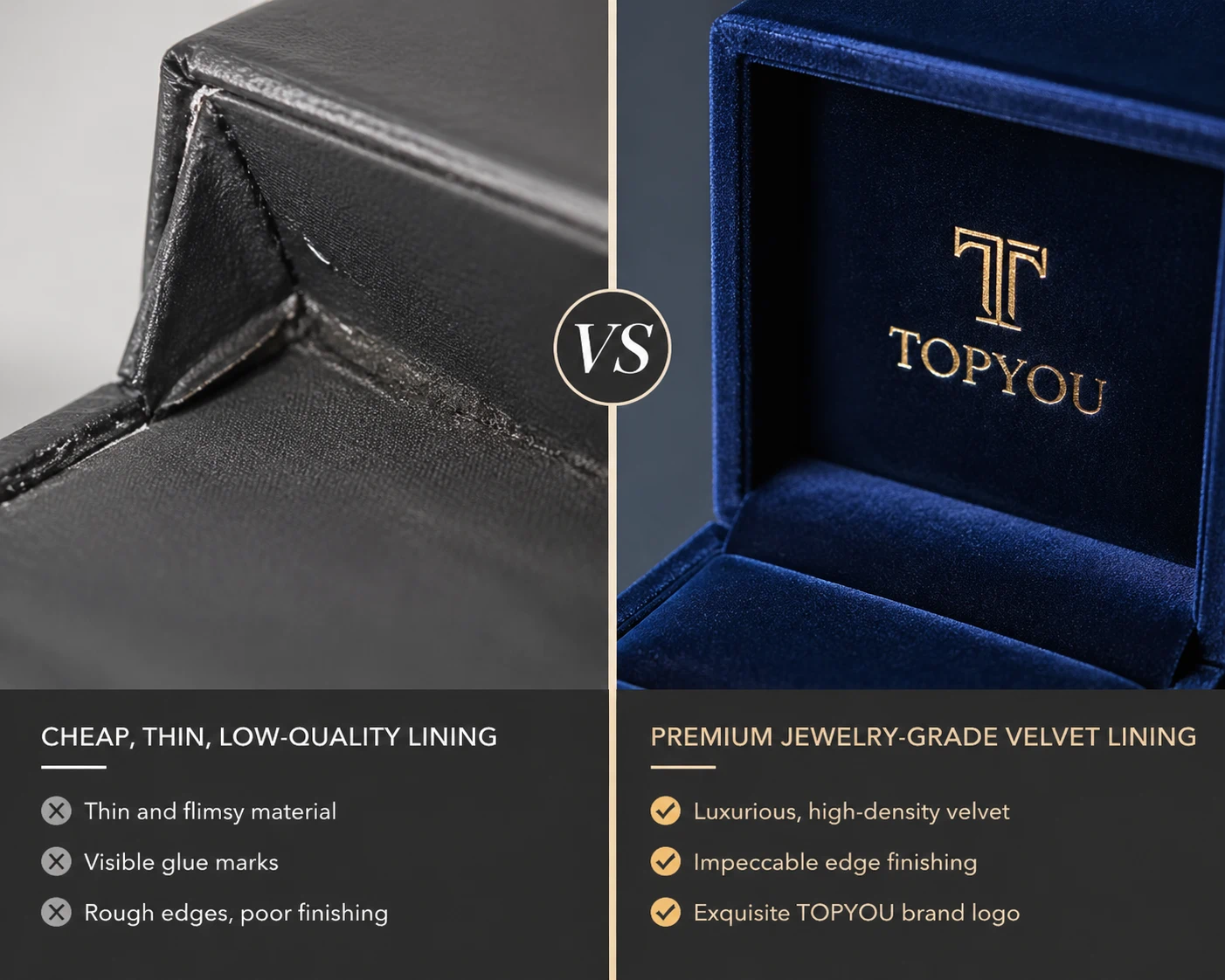
The interior of a glasses case is a high-stakes environment. A single abrasive fiber or poorly stitched seam can permanently scratch a costly anti-reflective lens, leading to immediate customer returns and severe brand damage. To truly emulate top-tier luxury brands, you must move beyond standard, thin microfiber linings. Elevating scratch-free protection requires the adoption of jewelry-class fabrics. These are the same ultra-plush, high-density velvets and suedes used to cradle diamonds and high-end watches. When a consumer places their sunglasses into a bed of jewelry-class fabric, it creates an immediate “wow” factor. It visually and tactilely reinforces the idea that the eyewear inside is a precious commodity.
Integrating these high-density fabrics does more than just lower return rates due to lens damage; it serves a profound commercial purpose. The opulent feel of jewelry-class fabric actively justifies a higher retail price for the eyewear itself. When the unboxing experience mirrors that of fine jewelry, consumers are psychologically primed to accept a premium price point. Furthermore, these fabrics offer superior customization options for private label eyewear packaging.
Techniques such as deep debossing or hot stamping your logo into high-quality suede yield a much sharper, more permanent result than printing on cheap polyester. By upgrading the interior lining, you are significantly improving the customer experience and cementing your brand’s position in the premium market segment.
However, executing this material upgrade is not without its pitfalls. The transition to sustainable luxury is fraught with errors that can jeopardize brand reputation.
Common Mistakes When Emulating High-End Packaging
As a consultant to numerous global optical brands, we have observed a recurring pattern of costly errors when companies attempt to upgrade their packaging lines. The most dangerous misstep is falling into the “Greenwashing” trap. In a rush to capitalize on the eco-friendly trend, some brands use vague, unverified eco-labels on standard plastic cases, claiming they are sustainable. Consumers and regulatory bodies are highly educated today. Using fake eco-labels instead of genuinely certified RPET or Recycled PU can lead to severe public backlash. Market research indicates that nearly 60% of consumers will permanently abandon a brand caught in deceptive greenwashing practices. Authenticity and verifiable supply chain certifications are non-negotiable.
Another critical mistake, as touched upon earlier, is ignoring the chemical odor associated with cheap manufacturing processes. Brands often obsess over the visual design—the color of the logo, the shape of the box—but neglect the sensory reality of mass production. Using cut-rate adhesives to bond that beautiful jewelry-class fabric to the case’s interior will result in a toxic smell that ruins the unboxing experience instantly.
A professional tip for brand managers: always demand production samples that use the exact glues and curing processes intended for the final mass run, not just handmade prototypes. Avoiding these common errors requires stringent quality control and, most importantly, choosing a manufacturing partner who understands the intricate nuances of high-end, compliant production.
Knowing what to avoid is only half the battle; the final step is understanding how to efficiently source and scale these premium solutions.
Sourcing Smart and Executing Custom Packaging at Scale
Bridging the gap between a brilliant packaging concept and flawless mass production is the most challenging phase for any procurement team. To execute custom packaging at scale, brands must rely on an experienced manufacturing partner rather than a simple trading company. Partnering with an established ODM reduces trial-and-error costs, eliminates communication bottlenecks, and ensures that the transition from a 3D rendering to a physical product is seamless.
The right factory will proactively advise on structural tweaks to optimize mold costs and suggest material substitutions that maintain the luxury feel while keeping the overall budget in check. They understand that true commercial value lies in stable quality and reliable large-scale capacity.
Scaling feasibility is crucial for risk management. You do not need to overhaul your entire inventory overnight. Smart brands test the waters by launching a premium capsule collection or upgrading the packaging for their highest-tier models first. Look for a supplier that offers realistic MOQs (Minimum Order Quantities). Starting at an MOQ of 3,000 pieces allows brand managers to test the market with premium eco-materials, gather customer feedback, and refine the design before committing to a full, brand-wide rollout. By systematically scaling your packaging upgrades, you mitigate financial risk while steadily elevating your brand’s perceived value in the marketplace.
The journey to transforming your brand’s unboxing experience begins with a single, decisive step toward better materials and expert partnerships.
Next Steps for Your Brand
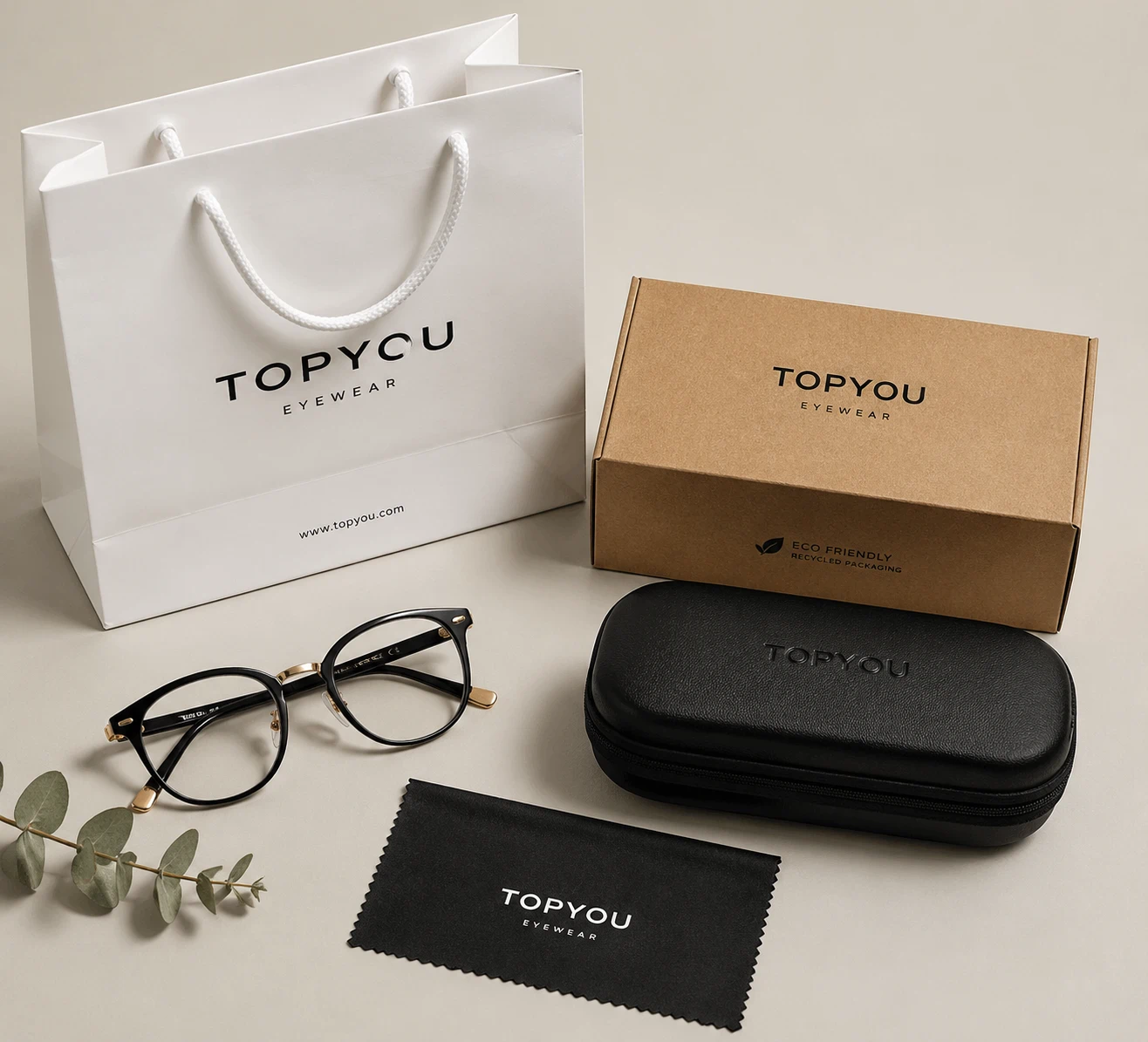
Elevating your eyewear packaging from a disposable afterthought to a cherished brand asset is a strategic necessity in today’s market. By embracing the tactile contrast rule, obsessing over silent details, and strategically substituting outdated materials with certified Recycled PU and plush jewelry-class fabrics, you can successfully emulate the unboxing experience of top-tier luxury houses. This approach not only enhances customer satisfaction and reduces return rates but also aligns your brand with the crucial global shift toward sustainability. The theoretical knowledge must now translate into tangible action.
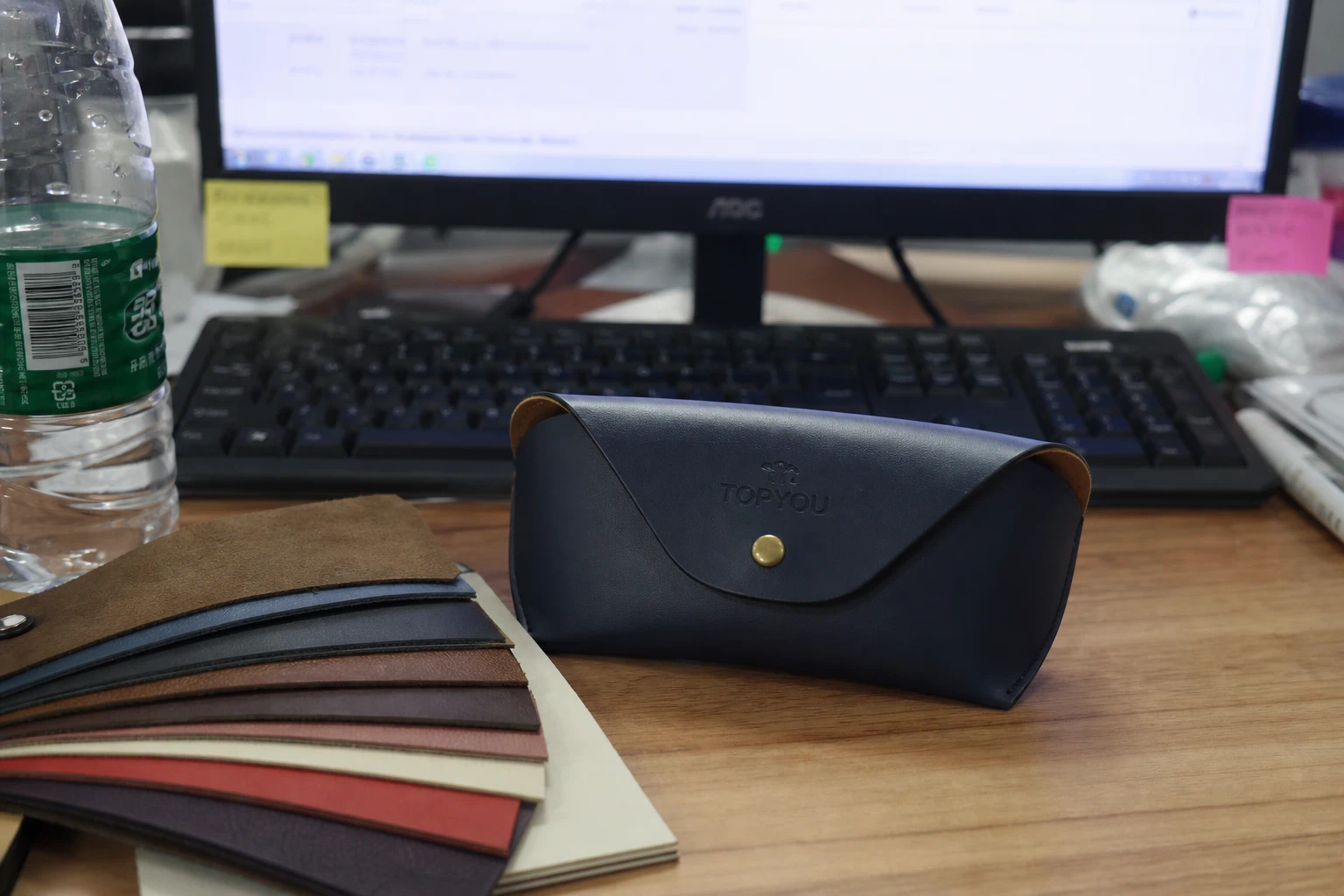
Do not let your premium eyewear be let down by subpar presentation. The difference between standard synthetic leather and genuine Recycled PU, or the transformative feel of jewelry-class fabric, cannot be fully appreciated through a screen—it must be felt. We invite brand managers, wholesale buyers, and procurement specialists to request physical material swatches and prototype samples to experience this tactile superiority firsthand. Align your brand with a reliable expert boasting 19+ years of industry experience and a commitment to eco-conscious innovation. Contact us for custom eyewear packaging solutions tailored to your brand, and let us help you turn every unboxing into a powerful statement of quality and sustainability.
YOUR NEXT STEP
Turn your packaging brief into a clear plan.
Share your preferred style, quantity, materials and destination. Our team can help confirm the options for your project.
Discuss your project