In this guide
Introduction
In the competitive eyewear market, packaging is no longer just a protective shell; it is a silent ambassador of your brand. When a customer receives your glasses, the first touchpoint is the case. But the eternal debate remains: Hard Case vs. Soft Pouch—which one should your brand invest in? This guide dives deep into protection, aesthetics, and cost-efficiency to help you decide.
Hard Case – The Fortress of Luxury
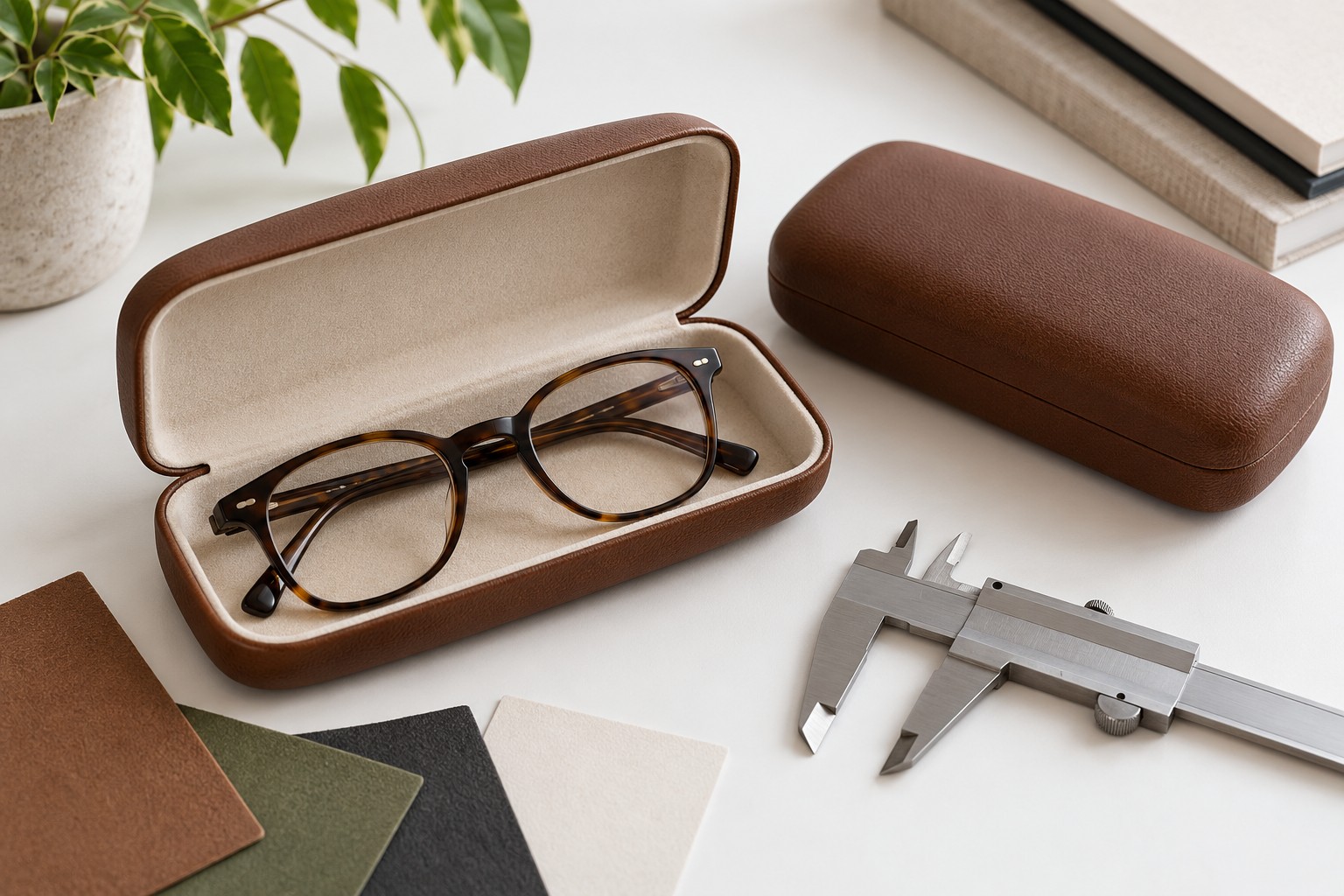
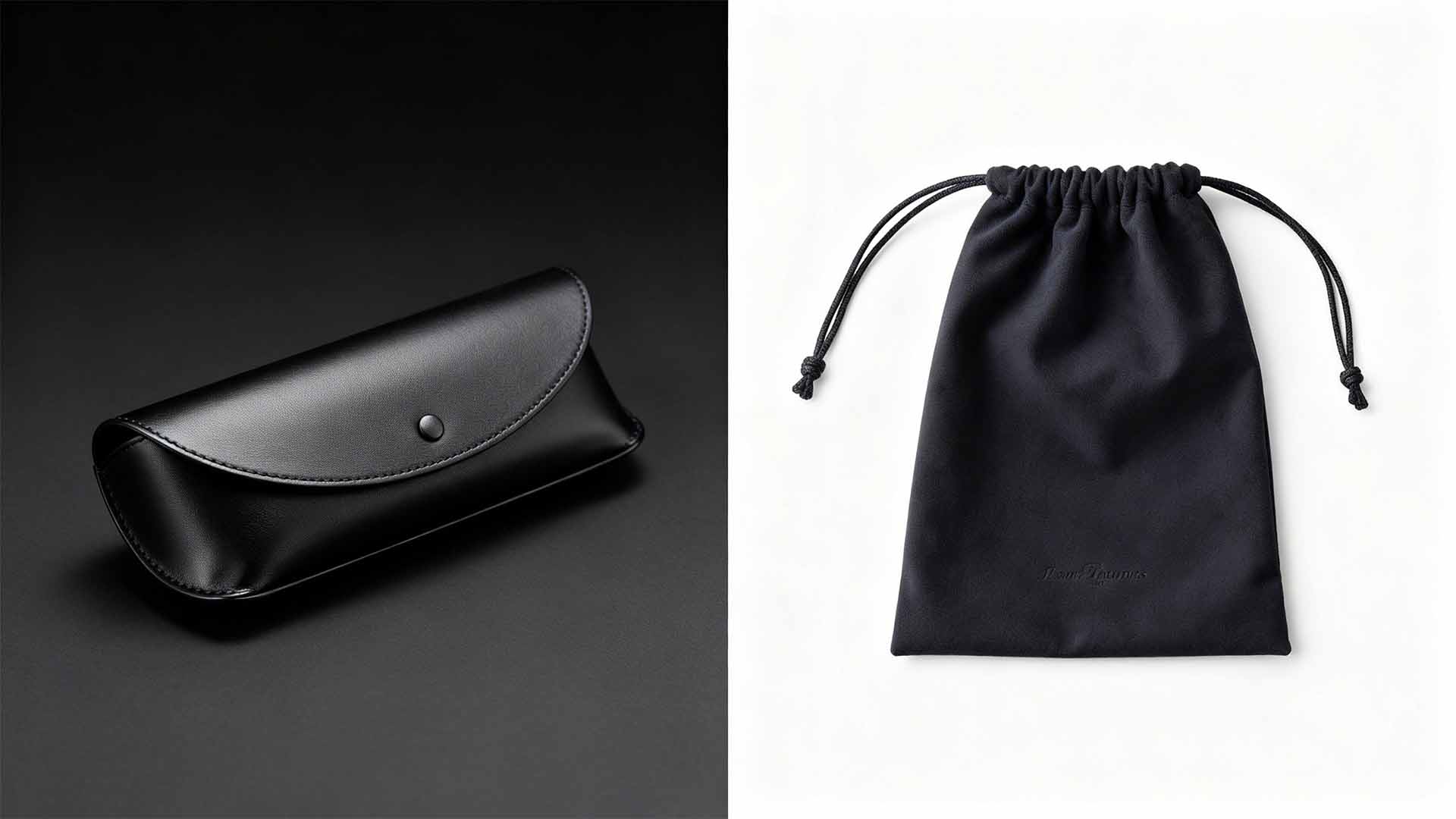
Hard Eyewear Cases are the gold standard for premium brands. Constructed from metal, plastic, or high-density EVA, these cases offer unparalleled crush resistance. For luxury optical frames and high-end sunglasses, a hard case ensures the product reaches the consumer in pristine condition.
·Key Benefit : Maximum protection against impact and pressure.
·Best For : Luxury brands, high-end prescription lenses.
Soft Pouch – The Versatile Minimalist
Conversely, Soft Eyewear Pouches and microfiber bags offer a lightweight, portable alternative. They are increasingly popular among sports eyewear brands and fast-fashion retailers. While they offer less impact protection, their ability to double as a cleaning cloth adds significant functional value.

Focused Comparison Table
| Feature | Hard Case | Soft Pouch | Winner |
|---|---|---|---|
| Protection | High (Crush-proof) | Low (Scratch-resistant) | Hard Case |
| Weight | Heavier (100g+) | Ultralight (10-20g) | Soft Pouch |
| Brand Image | Premium/Professional | Casual/Active | Hard Case |
| Shipping Cost | Higher (Bulky) | Lower (Flat-pack) | Soft Pouch |
From a B2B perspective, the choice impacts your bottom line. Hard cases may increase shipping volumes, but they drastically reduce returns due to transit damage. On the other hand, foldable hard cases (a TOPYOU specialty) offer a hybrid solution: the protection of a hard case with the shipping efficiency of a flat pouch.
FAQ
Q1: Which is better for luxury sunglasses, a hard case or a soft pouch?
A: A hard case is superior for luxury sunglasses. It provides the “crush-proof” protection necessary for high-value frames and reinforces a premium brand image that justifies a higher price point.
Q2: How can I save on shipping costs for bulk eyewear cases?
A: We recommend collapsible (foldable) hard cases. They ship flat to save up to 60% on storage and freight costs but pop up into a sturdy protective case for the end consumer.
Q3: Can microfiber pouches effectively protect lenses?
A: Microfiber pouches are excellent for scratch protection and cleaning, but they do not protect against physical pressure or accidental drops.
Material Science Deep Dive – The Secret Behind Durability
To truly understand the “Hard Case vs. Soft Pouch” debate, one must look at the raw materials. Hard eyewear cases typically utilize a structured core—either metal (steel), plastic (injection molded), or high-density EVA (Ethylene Vinyl Acetate).
- Metal Core Cases: Offer the classic “click” sound and maximum crush resistance (up to 50kg of pressure).
- EVA Cases: Perfect for sports and tactical eyewear, providing shock absorption and water resistance.
- Microfiber Pouches: Use a high-density knit (typically 200-250 GSM) to ensure lenses are not only stored but polished during transit.
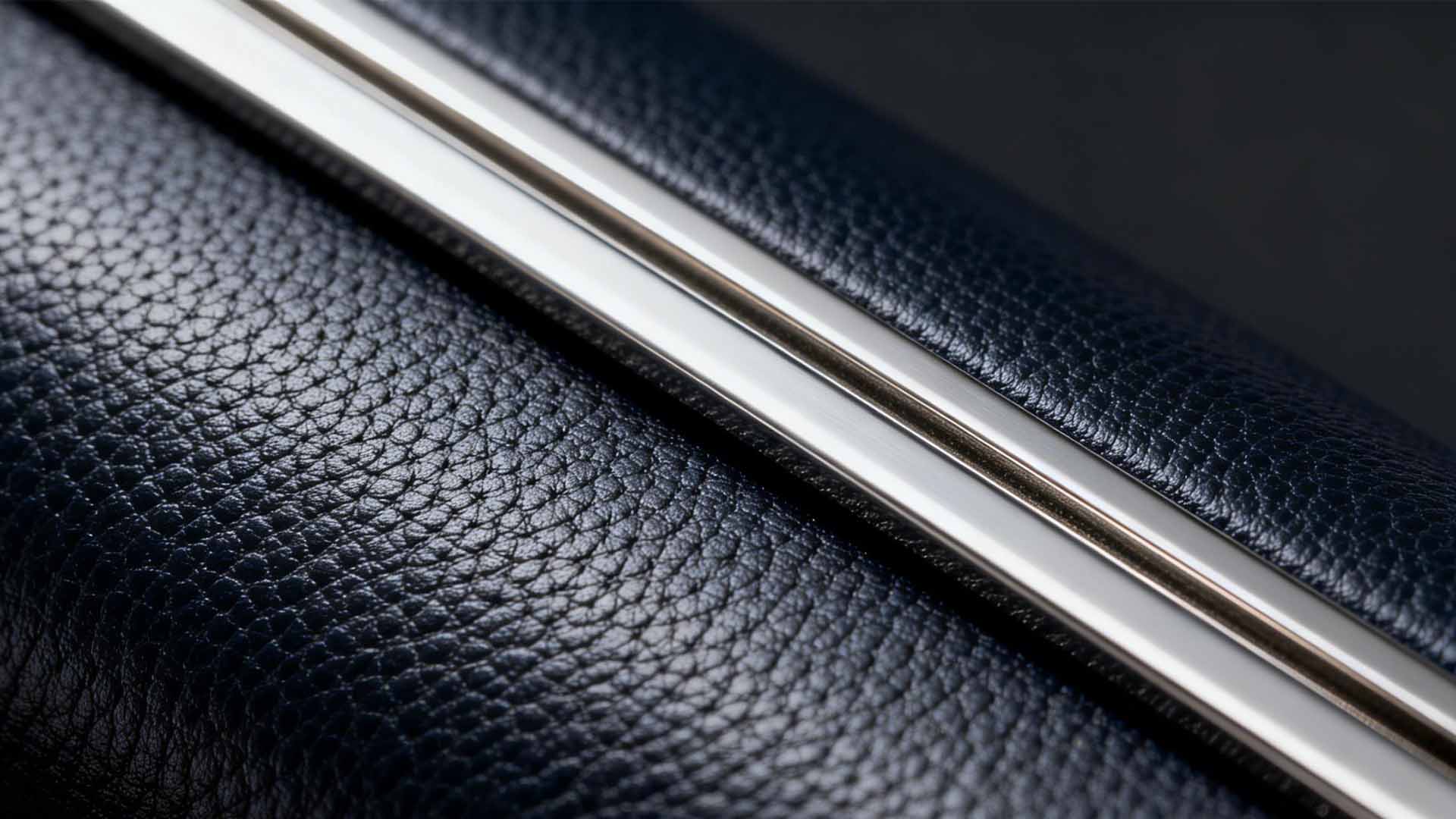
The exterior of a case defines the brand, but the interior protects the product. At TOPYOU Packaging, we offer a curated selection of premium linings to ensure that every pair of glasses—whether delicate optical lenses or robust sports frames—remains scratch-free and pristine.
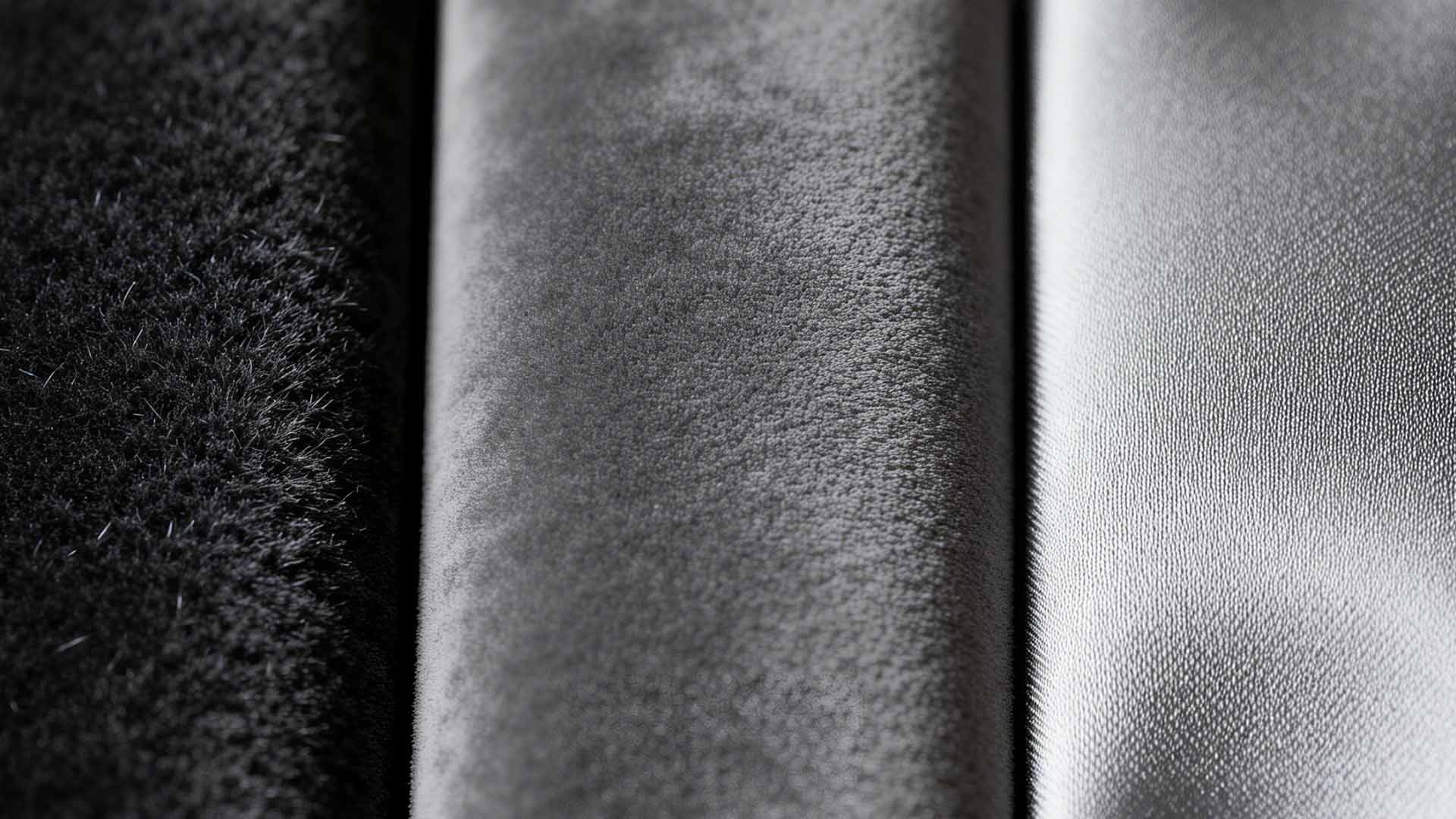
1. Classic Flocking:
- The Feel: Soft, dense, and velvet-like.
- Best For: Standard optical frames and budget-friendly luxury.
- Technical Advantage: Our high-adhesion flocking process ensures zero fiber shedding, preventing micro-dust from settling on the lenses.
2. Single-Sided Suede:
- The Feel: Smooth, sophisticated, and incredibly thin.
- Best For: Minimalist hard cases and high-end sunglasses.
- Technical Advantage: Suede provides a premium tactile experience that mimics genuine leather, offering a high-friction grip that prevents the frames from rattling inside the case during transit.
3. Five-Satin Faux Suede / “Five-Piece” Suede:
- The Feel: Ultra-silky, lustrous, and thick.
- Best For: Luxury high-fashion eyewear and “Limited Edition” collections.
- Technical Advantage: Known for its tight weave and durability, this material offers superior cushioning. It is the top choice for brands that want to emphasize a “High-Couture” unboxing experience.
Case Study – From 15% Return Rate to 2%
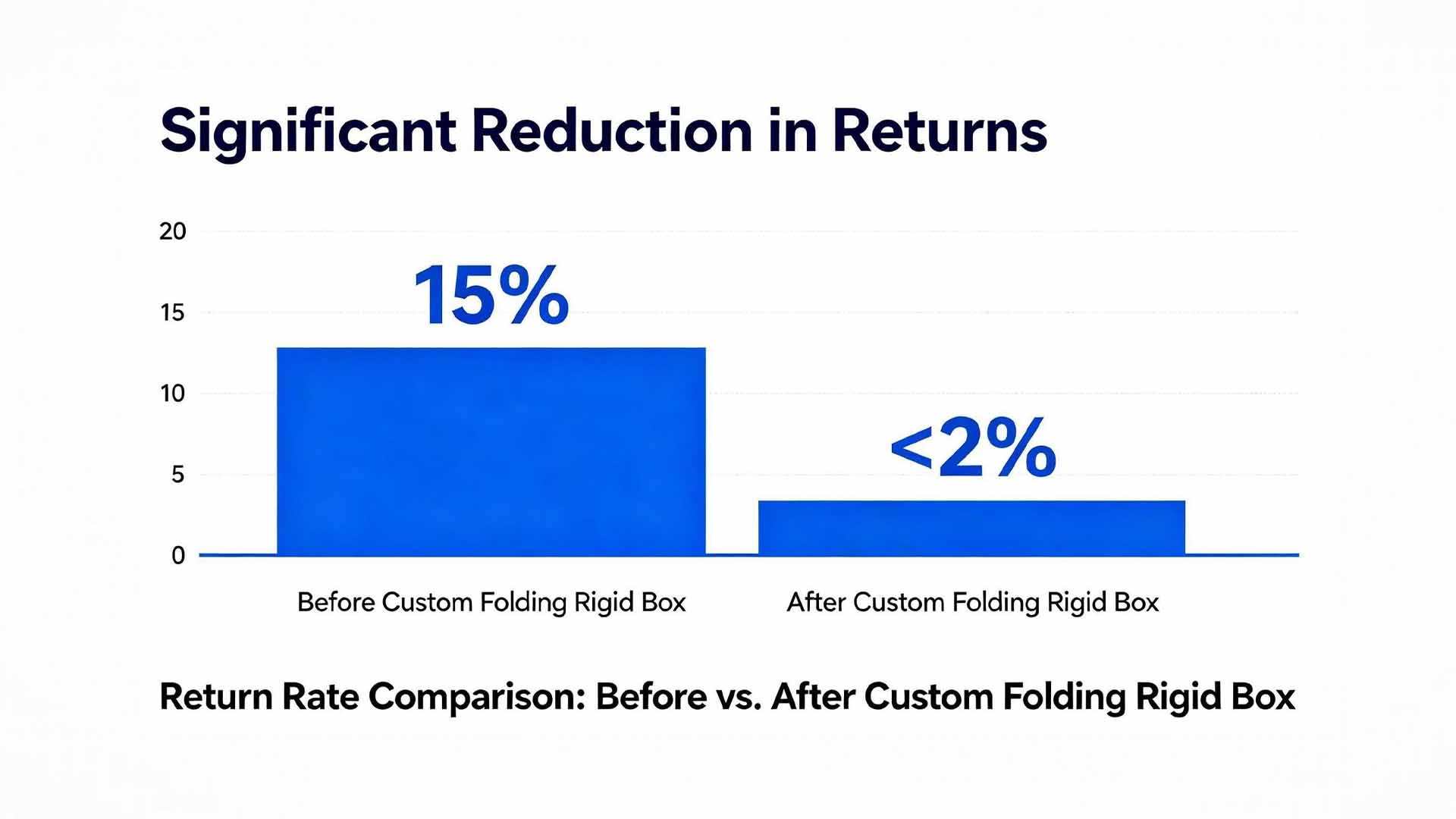
A premium sunglasses brand based in California approached TOPYOU Packaging with a significant challenge: their e-commerce return rate was 15% due to frame misalignment during international shipping. They were using high-quality microfiber pouches, but they lacked structural protection.
After switching to our Custom Foldable Hard Cases, the brand saw an immediate transformation:
- Shipping Costs: Remained low as the cases shipped flat to their fulfillment center.
- Returns: Dropped to less than 2% within three months.
- Customer Reviews: “Premium feel” and “Unboxing experience” became the top keywords in their 5-star reviews.
Sustainability – The Future of Eyewear Packaging
As we look toward 2025 and 2026, the debate isn’t just about “Hard vs. Soft,” but “Sustainable vs. Traditional.” At TOPYOU, we integrate RPET (Recycled Polyethylene Terephthalate) and FSC-certified papers into both case formats. Whether you choose a hard case or a pouch, opting for eco-friendly materials is the most effective way to align with modern consumer values and global regulations like the EU’s packaging waste laws.
YOUR NEXT STEP
Turn your packaging brief into a clear plan.
Share your preferred style, quantity, materials and destination. Our team can help confirm the options for your project.
Discuss your project